Understanding Migraine as a Neurological Disorder
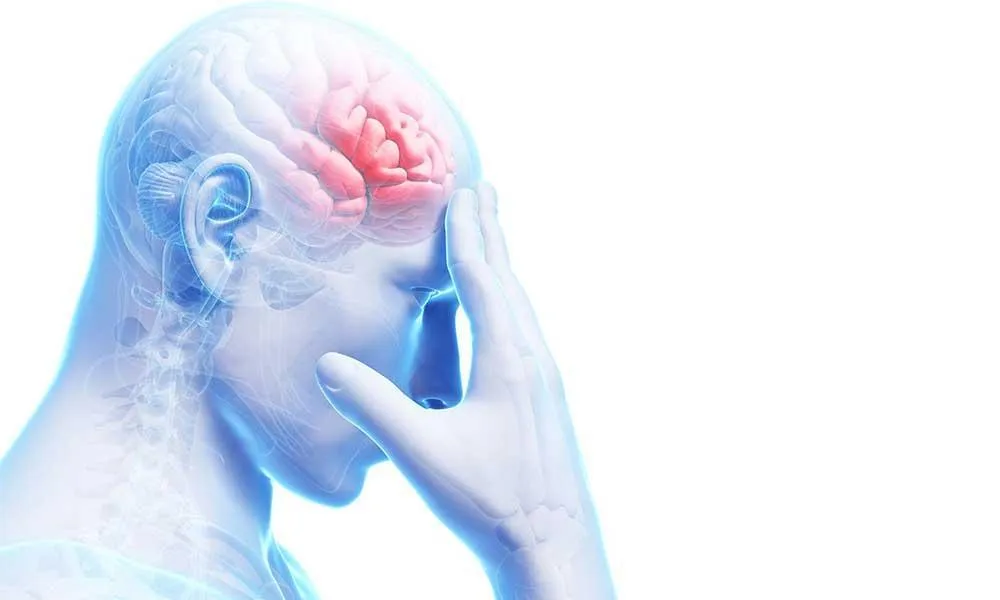
Migraine is a chronic neurological disease characterized by recurrent headache attacks, often affecting one side of the head and accompanied by nausea, vomiting, and sensitivity to light or sound. Unlike tension headaches, migraines tend to be more intense and long-lasting, requiring targeted headache treatment strategies.

From a medical perspective, migraines are associated with abnormal brain activity involving neurotransmitters such as serotonin. These changes affect pain pathways and blood vessels in the brain, explaining why simple painkillers are often insufficient. Understanding migraine as a neurological disorder is the first step toward effective migraine management.
Causes and Risk Factors of Migraine Over Time
Migraine does not have a single cause but results from a combination of genetic, neurological, and environmental factors. Individuals with a family history of migraines are more likely to develop the condition, highlighting the genetic component of migraine disorders.
Common risk factors include chronic stress, hormonal fluctuations, irregular sleep patterns, dehydration, and certain dietary triggers. Over time, repeated exposure to these triggers can increase migraine frequency and severity. Identifying and minimizing risk factors plays a crucial role in long-term migraine prevention.
Recognizing Early Symptoms and Migraine Phases
Migraines often progress through several phases, beginning with the prodrome phase, which may include fatigue, mood changes, or food cravings. Recognizing these early warning signs allows patients to initiate early migraine treatment before pain becomes severe.
Some individuals experience an aura phase, characterized by visual disturbances or sensory changes. This phase is followed by the headache attack and, finally, the postdrome phase, often described as a “migraine hangover.” Understanding these phases supports timely and effective headache control.
Diagnostic Approaches in Migraine Treatment
Diagnosing migraine relies primarily on clinical evaluation rather than laboratory tests. Physicians assess headache patterns, duration, frequency, and associated symptoms to confirm a migraine diagnosis and rule out other conditions. Accurate diagnosis ensures appropriate migraine therapy selection.
In certain cases, imaging tests such as MRI or CT scans may be recommended to exclude secondary causes of headaches. While not routinely required, these diagnostic tools help refine treatment planning and improve patient confidence in the diagnosis.
Acute Treatment Strategies for Migraine Attacks
Acute treatment focuses on stopping migraine attacks once they begin. Common medications include nonsteroidal anti-inflammatory drugs (NSAIDs), triptans, and anti-nausea drugs. When taken early, these treatments significantly reduce pain and disability associated with migraine attacks.
In addition to medication, non-pharmacological measures such as resting in a dark room, applying cold compresses, and practicing breathing exercises can enhance pain relief. Combining drug and non-drug approaches often yields better outcomes.
Preventive Medications for Chronic Migraine
Preventive treatment is recommended for individuals experiencing frequent or severe migraines that interfere with daily life. Preventive medications aim to reduce attack frequency, intensity, and duration, supporting effective chronic migraine management.
Common preventive drugs include beta-blockers, anticonvulsants, antidepressants, and newer CGRP inhibitors. These medications require consistent use and medical supervision to achieve optimal long-term migraine control.
Lifestyle Modifications as a Core Treatment Component
Lifestyle changes are a foundational aspect of migraine treatment. Regular sleep schedules, balanced meals, adequate hydration, and stress management significantly reduce migraine frequency over time.
Physical activity such as walking, yoga, or swimming improves circulation and reduces stress-related triggers. Maintaining healthy daily routines enhances the effectiveness of medical headache prevention strategies.
Dietary Factors and Migraine Management
Diet plays an important role in migraine control. Certain foods, including processed meats, aged cheese, caffeine, and alcohol, may trigger migraines in susceptible individuals. Keeping a food diary helps identify personal triggers and supports individualized dietary management.
Regular meals and stable blood sugar levels are essential for migraine prevention. Nutritional consistency strengthens the body’s resilience against migraine triggers and supports overall neurological health.
Complementary and Alternative Therapies
Complementary therapies can be valuable additions to conventional migraine treatment. Techniques such as acupuncture, biofeedback, and cognitive behavioral therapy have shown positive effects in reducing migraine frequency and stress levels.
Nutritional supplements like magnesium, riboflavin (vitamin B2), and coenzyme Q10 are commonly used to support migraine prevention. Medical guidance is recommended to ensure safe and effective use of these natural migraine remedies.
Building a Personalized Long-Term Migraine Management Plan
Effective migraine care requires a personalized approach tailored to individual triggers, symptoms, and lifestyle factors. Collaboration between patients and healthcare providers is essential for optimizing treatment outcomes.
Regular monitoring of headache patterns, medication response, and lifestyle changes allows for continuous improvement of the treatment plan. Over time, this personalized strategy leads to sustainable migraine control and improved quality of life.
Conclusion
Treatment for migraines is not a one-time solution but an ongoing process that evolves with the patient’s needs and life circumstances. By understanding migraine mechanisms, recognizing triggers early, combining acute and preventive treatments, and adopting healthy lifestyle habits, individuals can significantly reduce the burden of migraines. With advancements in migraine treatment and a comprehensive management approach, long-term relief and improved daily functioning are realistic and achievable goals.