Migraine Treatment Advances Offer New Relief Options for Patients
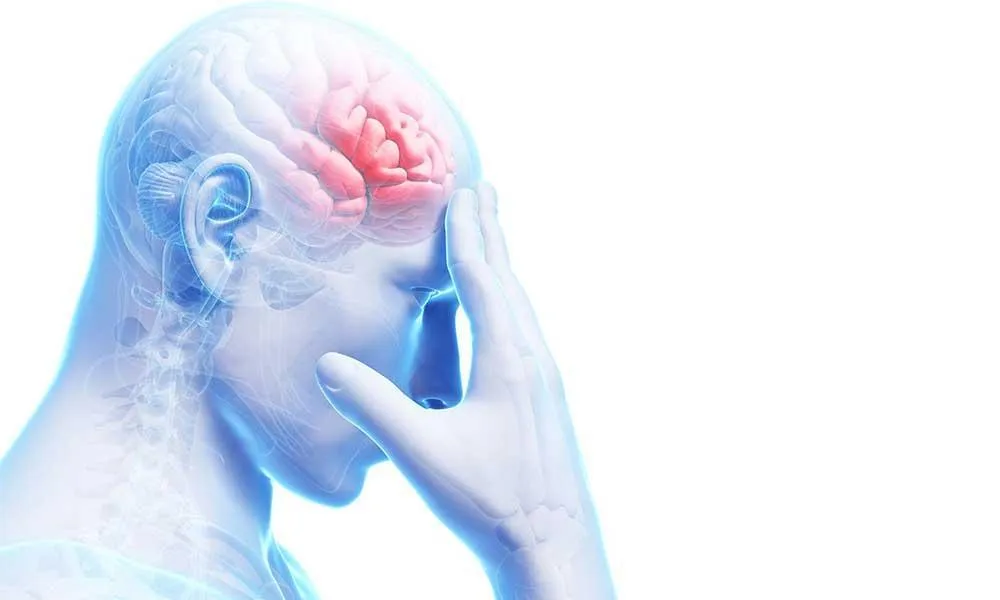
Migraine is a chronic neurological condition affecting millions of people worldwide. Characterized by recurring headaches, sensitivity to light or sound, nausea, and visual disturbances, migraines can significantly interfere with daily life and work productivity.
Healthcare professionals report that increased awareness and improved diagnostic tools are helping more patients receive timely and accurate migraine diagnoses, opening the door to more effective treatment strategies.

Acute Migraine Treatments Continue to Improve
Acute migraine treatments aim to stop attacks once symptoms begin. Traditional options such as nonsteroidal anti-inflammatory drugs and triptans remain widely used, but newer medications are expanding choices for patients who do not respond well to standard therapies.
Recent developments include migraine-specific drugs designed to target pain pathways without the cardiovascular risks associated with older treatments. These medications provide faster relief and are better tolerated by many patients.
Preventive Therapies Gain Wider Adoption
Preventive migraine treatment is becoming more common, especially for patients who experience frequent or severe attacks. Physicians increasingly recommend preventive options to reduce attack frequency and intensity.
Popular preventive approaches include:
- Monthly or quarterly injectable therapies
- Oral preventive medications
- Neuromodulation devices
- Lifestyle and behavioral interventions
These strategies help patients achieve longer symptom-free periods and better long-term control.
Personalized Migraine Care Becomes a Priority
Migraine treatment is shifting toward personalized care plans that consider each patient’s triggers, lifestyle, and medical history. Digital headache diaries and mobile health apps now help patients track symptoms and identify patterns that guide treatment decisions.
Specialists emphasize that personalized care improves adherence and treatment outcomes, particularly for patients with chronic migraine.
Lifestyle Management Plays a Supporting Role
In addition to medication, lifestyle management remains an essential component of migraine care. Healthcare providers commonly recommend:
- Regular sleep schedules
- Stress reduction techniques
- Dietary awareness and hydration
- Consistent physical activity
These changes can help reduce migraine frequency and improve overall well-being.
Expanding Access to Migraine Specialists
Telemedicine has improved access to migraine specialists, especially for patients in rural or underserved areas. Virtual consultations allow patients to receive expert guidance without long travel times, leading to earlier treatment adjustments and better symptom control.
Conclusion
Migraine treatment is advancing through a combination of innovative medications, preventive therapies, and personalized care approaches. As awareness grows and access to specialized care expands, patients have more options than ever to manage migraines effectively and improve their quality of life. Continued research and patient education remain key to further progress.