Comprehensive Guide to Buttock Augmentation: Achieving Your Ideal Silhouette
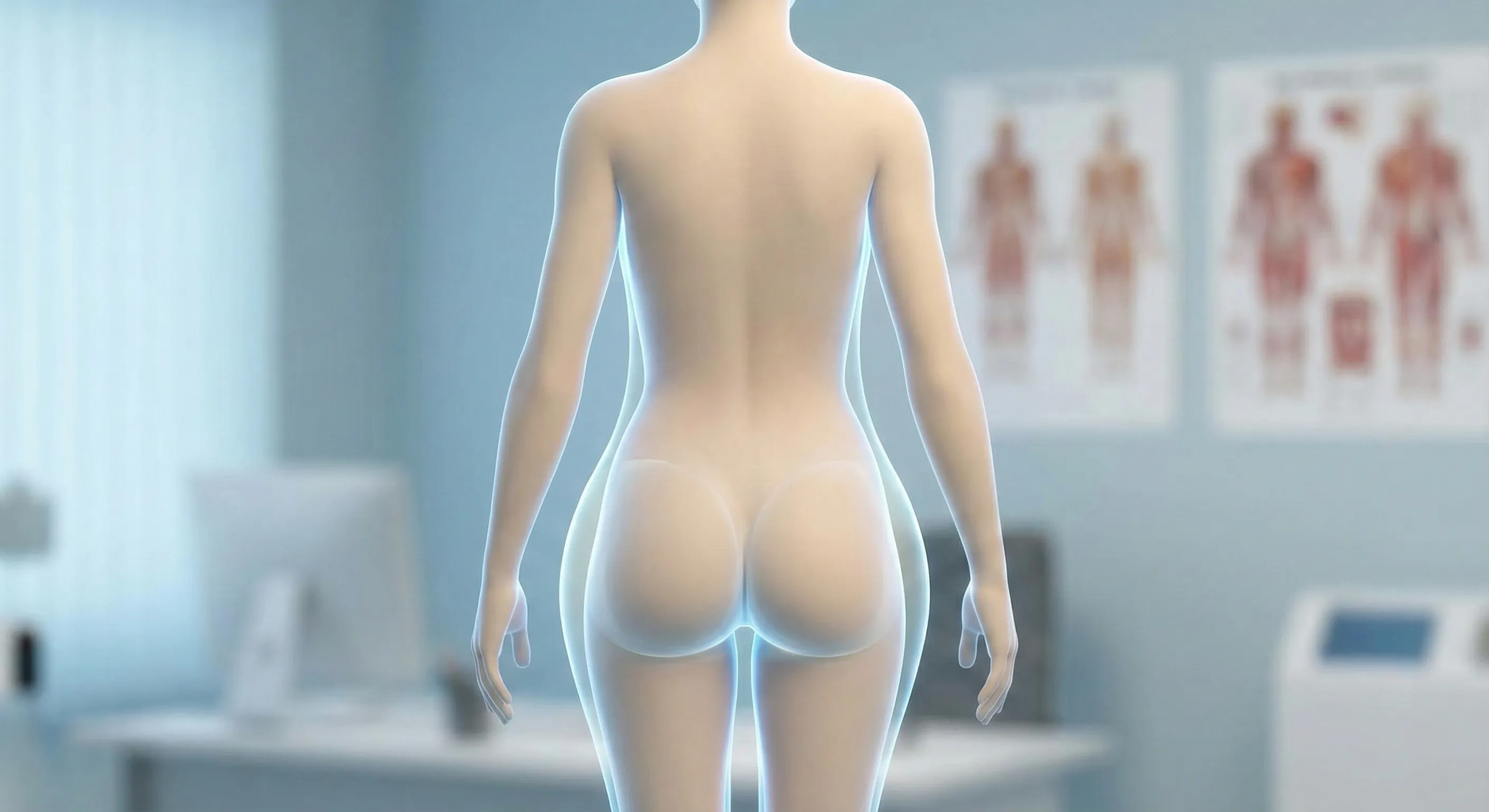
Buttock augmentation has transformed from a niche cosmetic procedure into one of the most popular body contouring surgeries worldwide. Driven by a global shift in beauty standards that celebrates curves and a balanced physique, this procedure offers individuals the chance to enhance their natural shape through advanced surgical techniques. Whether the goal is to restore volume lost to aging or to create a more dramatic profile, understanding the intricacies of the process is essential for anyone considering this journey.
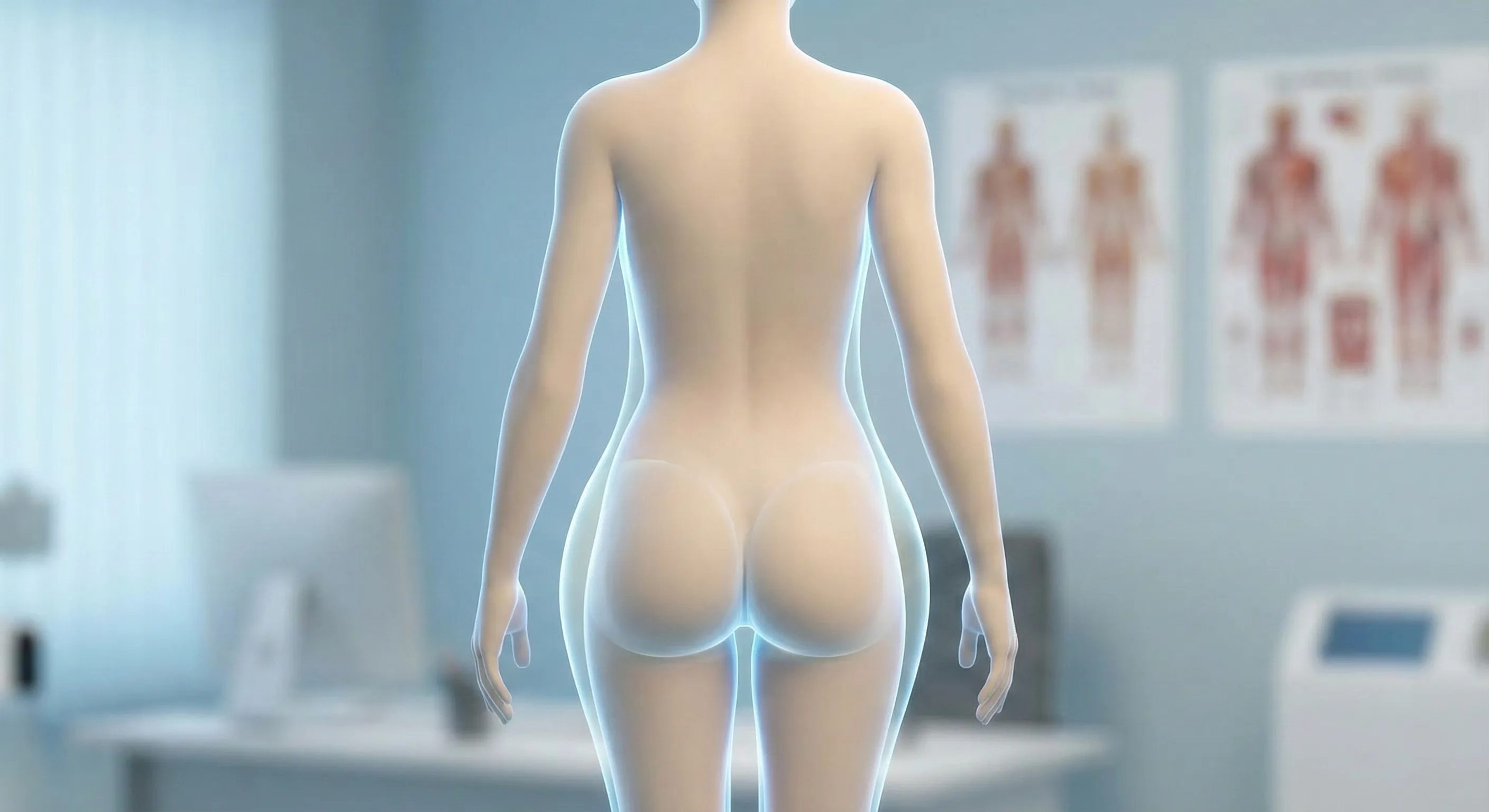
1. The Evolution and Popularity of Buttock Augmentation
The cultural landscape regarding body aesthetics has shifted significantly over the last two decades. There is now a much higher demand for buttock augmentation as people move away from the "waif-like" trends of the past toward an athletic, curvaceous, and "hourglass" figure. This shift is largely attributed to the influence of social media and the visibility of diverse body types in popular culture.
Beyond mere trends, buttock augmentation serves a functional purpose for many. It can correct asymmetry caused by genetics or trauma and can provide a "lift" to skin that has become lax due to significant weight loss. By improving the proportions of the lower body, the procedure helps patients feel more confident in form-fitting clothing and swimwear.
2. Identifying the Ideal Candidate for Surgery
Before undergoing buttock augmentation, it is crucial to determine if you are a medically and physically fit candidate. Surgeons typically look for individuals in good overall health with no underlying conditions that could impair healing. Furthermore, candidates should have a stable weight, as extreme fluctuations after the procedure can compromise the aesthetic results.
The specific technique used for your buttock augmentation will depend on your existing anatomy. For instance:
- Patients with ample donor fat are often better suited for fat grafting (BBL).
- Patients with a very low body fat percentage may require silicone implants.
- Those with significant skin sagging might need a surgical "lift" in combination with volume enhancement.
3. Comparing the Brazilian Butt Lift (BBL) and Implants
There are two primary ways to perform buttock augmentation, and each has its own set of advantages. The Brazilian Butt Lift (BBL) is highly favored because it uses the patient’s own tissue. The surgeon performs liposuction on areas like the stomach, flanks, or thighs and reinjects the processed fat into the buttocks.
In contrast, implant-based buttock augmentation involves the surgical placement of solid silicone devices. Unlike breast implants, these are made of a cohesive, solid material that cannot leak. They are designed to withstand the pressure of sitting and walking, providing a consistent shape regardless of weight changes.
Key Considerations for Methods:
- BBL: Provides a more natural feel and allows for "sculpting" of the surrounding areas.
- Implants: Offers a predictable size increase and is a permanent solution for those without donor fat.
- Hybrid Techniques: Some surgeons use a combination of both for maximum projection and a soft finish.
4. Preparing for Your Buttock Augmentation Procedure
The success of buttock augmentation begins weeks before the actual surgery date. Patients are required to undergo a series of medical screenings and must cease the use of nicotine products entirely. Nicotine constricts blood vessels, which is particularly dangerous during a BBL because the newly transferred fat cells need immediate blood supply to survive.
Essential Pre-Op Steps:
- Medication Review: Stop taking blood-thinning supplements like aspirin or Vitamin E.
- Home Setup: Prepare a recovery area with easy access to water, medications, and a BBL pillow.
- Support System: Arrange for a friend or family member to stay with you for the first few days.
Proper preparation reduces the risk of complications and ensures that the body is in an optimal state for buttock augmentation and subsequent healing.
5. The Surgical Process Explained Step-by-Step
On the day of the buttock augmentation, the patient is placed under general anesthesia. If the BBL method is chosen, the surgeon begins by making tiny incisions in the donor areas to perform liposuction. The harvested fat is then placed in a centrifuge to separate the healthy fat cells from blood and oil.
For an implant-based buttock augmentation, the surgeon makes an incision—usually in the midline crease between the buttocks where scars will be hidden. A pocket is then created either under the gluteal muscle or within it. The surgeon carefully inserts the implant to ensure symmetry before closing the incision with multi-layered sutures.
6. Navigating the Immediate Post-Operative Period
The first 48 to 72 hours after buttock augmentation are the most intense. Patients will experience swelling and a feeling of tightness in the gluteal region. The most critical instruction during this time is: Do not sit or lie directly on your buttocks. Pressure on the area can "suffocate" transferred fat cells or cause implants to shift.
Managing discomfort involves a combination of prescribed pain relief and wearing a compression garment. This garment is a vital part of buttock augmentation recovery as it minimizes edema (swelling) and helps the skin adhere to the new contours. Walking short distances around the house is also encouraged to promote healthy circulation.
7. The Long Road to Full Recovery
Recovery from buttock augmentation is a gradual process that requires patience. While the initial soreness fades within a week or two, the internal tissues take much longer to stabilize. Most patients are cleared to return to "desk-based" work after two weeks, provided they use a specialized cushion that keeps pressure off the glutes.
Recovery Milestones to Expect:
- 2 Weeks: Most bruising subsides; light walking is encouraged.
- 4-6 Weeks: Compression garments can usually be worn less frequently; light exercise may resume.
- 3-6 Months: The "fluffing" phase for BBLs occurs, where the fat softens and looks more natural.
By the six-month mark, the final results of the buttock augmentation are usually visible. It is essential to avoid high-impact activities like running or heavy squatting until your surgeon gives the explicit "all-clear."
8. Safety Protocols and Risk Management
Safety is the paramount concern in buttock augmentation. The BBL, in particular, has undergone significant safety reforms in recent years. Modern protocols dictate that fat must only be injected into the subcutaneous space (just under the skin) and never into the muscle, which significantly reduces the risk of fat embolism.
Choosing a Safe Surgeon:
- Board Certification: Ensure the surgeon is certified by the American Board of Plastic Surgery or an equivalent body.
- Facility Accreditation: The surgery should take place in a licensed, state-of-the-art surgical center.
- Transparency: A good surgeon will discuss the risks of buttock augmentation as thoroughly as the benefits.
Understanding the risks—such as infection, fat necrosis, or asymmetry—allows the patient to make an informed decision and monitor their recovery more effectively.
9. Maintaining Your New Contours Long-Term
Once you have invested in buttock augmentation, maintaining the results requires a commitment to a healthy lifestyle. For those who had a BBL, the transferred fat acts like any other fat in the body. If you lose weight, the buttocks may decrease in size; if you gain weight, they may increase.
To preserve the shape achieved through buttock augmentation:
- Maintain a stable, healthy weight.
- Focus on lower-body strength training once fully cleared for exercise to support the underlying muscle.
- Protect your skin from sun damage to maintain elasticity.
While implants are permanent, the aging process will still occur. However, the foundational volume provided by buttock augmentation ensures that the enhanced shape remains far more prominent than it would have been naturally.
10. The Psychological and Lifestyle Benefits
The impact of buttock augmentation often extends far beyond the physical. Many patients describe a "renewed lease on life," finding that they are more willing to engage in social activities, exercise, and travel. The alignment of a person's physical appearance with their internal self-image can lead to a profound increase in self-esteem.
Ultimately, buttock augmentation is a personal choice aimed at self-improvement. When performed by a skilled surgeon and supported by a dedicated patient, the procedure offers life-changing results that enhance both the silhouette and the spirit.
Conclusion
In conclusion, buttock augmentation is a complex but rewarding procedure that offers tailored solutions for body enhancement. By choosing between fat grafting and implants based on your unique anatomy, and by following strict pre- and post-operative guidelines, you can achieve a safer and more aesthetic outcome. The journey requires a significant commitment to recovery, but the resulting boost in confidence and the refinement of the body's proportions make buttock augmentation a highly satisfying investment for many.