Migraine Treatment Expands With New Therapies and Non-Drug Options
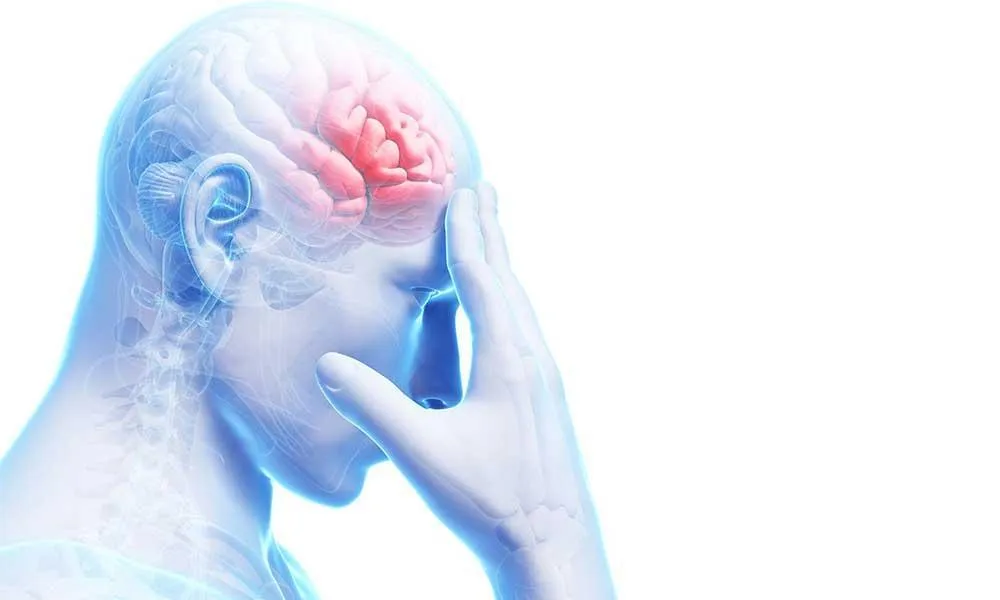
Migraine remains a complex neurological condition affecting millions of people, and treatment approaches are becoming more diverse. While medications continue to play a central role, healthcare providers are increasingly combining pharmacological and non-pharmacological therapies to achieve better symptom control.
This integrated approach reflects a growing understanding that migraine triggers and responses vary widely between individuals.
New Migraine Therapies Offer Alternative Relief
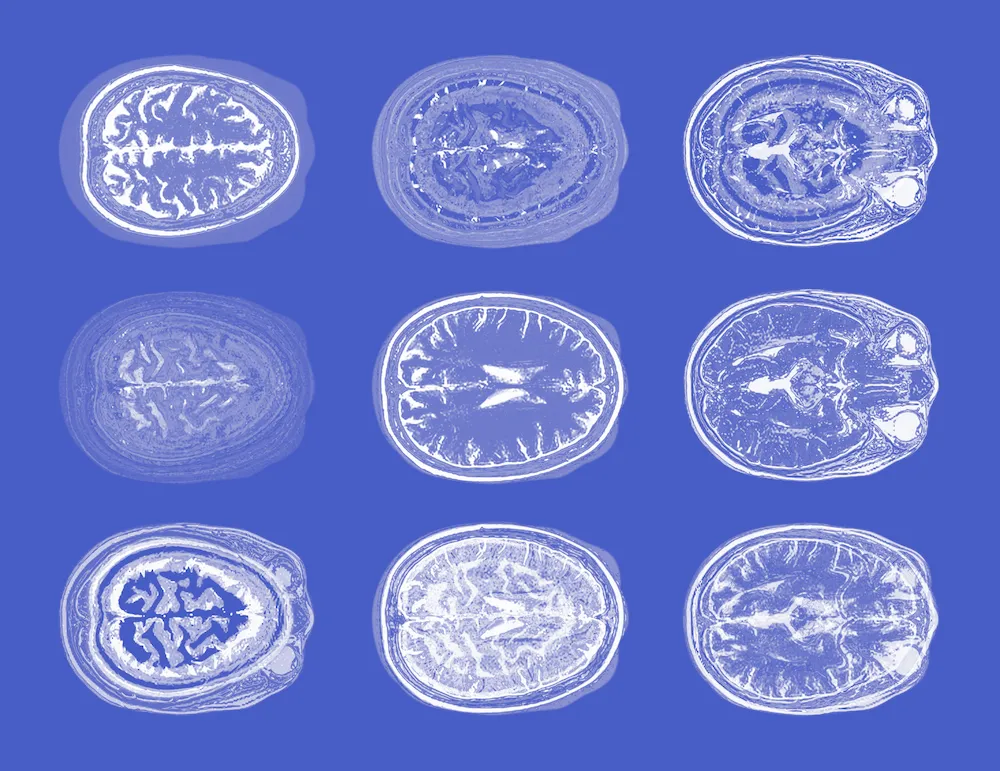
Recent developments in migraine treatment have introduced new classes of therapies designed to address migraine pathways more precisely. These treatments are particularly valuable for patients who do not respond well to older medications or who experience intolerable side effects.
Specialists note that newer therapies often provide:
- Faster onset of relief
- Improved tolerability
- Reduced risk of medication overuse headaches
As awareness grows, more patients are discussing these options with their healthcare providers.
Non-Drug Treatments Gain Wider Acceptance
Non-drug approaches are becoming an important part of migraine care, especially for long-term management. Commonly used options include:
- Neuromodulation devices used at home
- Cognitive behavioral therapy
- Biofeedback and relaxation techniques
- Acupuncture and physical therapy
These treatments help patients reduce migraine frequency while minimizing reliance on medication.
Lifestyle and Trigger Management Remain Essential
Even as new therapies emerge, lifestyle management continues to support effective migraine treatment. Healthcare professionals encourage patients to focus on:
- Consistent sleep routines
- Stress reduction strategies
- Balanced nutrition and hydration
- Regular physical activity
When combined with medical treatment, these habits can significantly improve migraine control.
Integrated Care Models Improve Patient Outcomes
Integrated migraine care programs—where neurologists, primary care providers, mental health specialists, and physical therapists collaborate—are gaining popularity. This team-based approach ensures that patients receive comprehensive care addressing both physical and emotional aspects of migraine.
Early reports suggest that integrated care leads to improved treatment adherence and better long-term outcomes.
Patient Education Drives Better Treatment Decisions
Access to accurate information is critical for effective migraine management. Educational resources and digital tools help patients understand treatment options, track symptoms, and communicate more effectively with their providers.
Empowered patients are more likely to achieve consistent migraine control and improved quality of life.
Conclusion
Migraine treatment is entering a new phase marked by innovative therapies, growing acceptance of non-drug options, and integrated care models. By combining medical advances with lifestyle and supportive treatments, patients now have more pathways to manage migraines effectively. Continued research and education will further shape the future of migraine care.