Migraine Treatment Adapts to Hormonal Triggers as More Women Seek Specialized Care
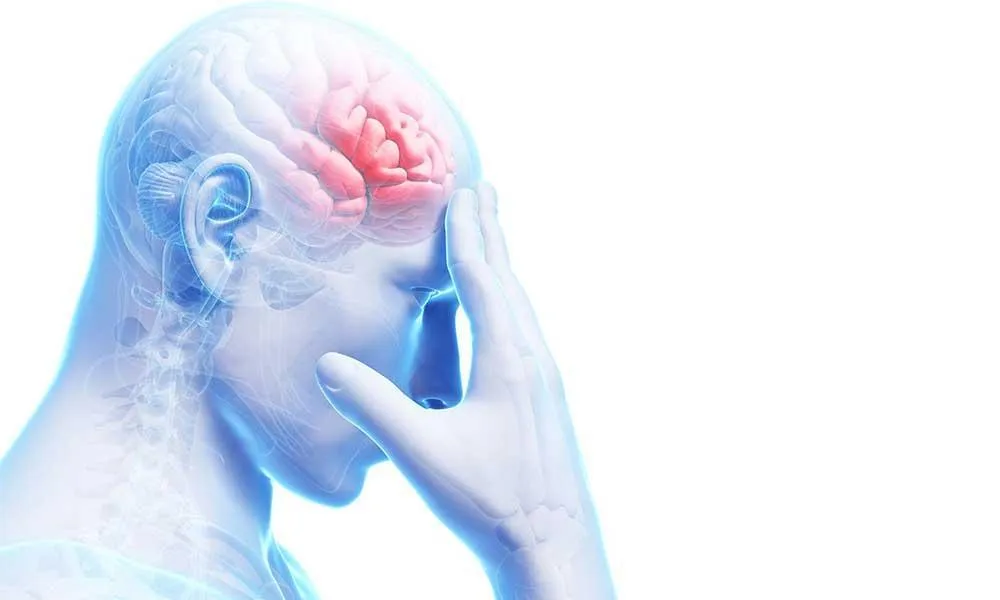
Migraine affects women at significantly higher rates than men, and healthcare providers increasingly recognize the role hormones play in triggering attacks. Fluctuations related to menstruation, pregnancy, perimenopause, and menopause are now central considerations in migraine diagnosis and treatment planning.
As awareness grows, more women are seeking specialized migraine care that accounts for hormonal patterns rather than relying on one-size-fits-all treatment.

Understanding Hormone-Related Migraine Triggers
Hormonal migraines are often linked to changes in estrogen levels, which can influence pain pathways in the brain. Common situations where migraines may worsen include:
- Menstrual cycles
- Use or discontinuation of hormonal contraceptives
- Pregnancy-related hormone shifts
- Perimenopause and menopause
Recognizing these patterns allows clinicians to tailor treatment more precisely and improve long-term symptom control.
Targeted Treatment Strategies for Hormonal Migraine
Migraine specialists now use customized treatment plans that align with a patient’s hormonal cycle. These may include:
- Short-term preventive therapy around high-risk days
- Adjusted acute medication timing
- Long-term preventive options for frequent attacks
- Coordination with gynecological care when needed
This targeted approach helps reduce attack frequency and severity without excessive medication use.
Preventive Therapy Plays a Larger Role
For women experiencing predictable or frequent migraines, preventive treatment is increasingly recommended. Preventive options may help stabilize migraine patterns and reduce reliance on acute pain relief.
Healthcare providers emphasize that prevention-focused care often leads to improved quality of life and fewer disruptions to work, family responsibilities, and daily routines.
Lifestyle Management Supports Hormonal Balance
In addition to medication, lifestyle strategies remain an essential part of migraine treatment. Patients are encouraged to focus on:
- Consistent sleep schedules
- Stress management techniques
- Balanced nutrition and hydration
- Regular physical activity
These habits can help regulate hormonal fluctuations and support overall migraine control.
Education and Advocacy Reduce Delays in Care
Women with migraines often experience delays in diagnosis or under-treatment due to misconceptions about headache disorders. Advocacy and education efforts are helping patients recognize when migraines require medical attention and specialized care.
Improved communication between patients and healthcare providers is leading to earlier intervention and more effective treatment outcomes.
Conclusion
Migraine treatment is evolving to better address the hormonal factors that affect millions of women. By recognizing hormonal triggers, expanding preventive strategies, and personalizing care, healthcare providers are helping patients achieve more consistent migraine control. As research and awareness continue to grow, hormone-informed migraine treatment is becoming an essential part of modern neurological care.