Breast Cancer: A Complete Timeline From Early Awareness to Long-Term Recovery
Breast cancer is one of the most common cancers worldwide, affecting millions of women and, in rare cases, men. Understanding Breast Cancer from its earliest cellular changes through diagnosis, treatment, and long-term survivorship is essential for early detection and improved outcomes. This comprehensive guide explores Breast Cancer step by step, helping readers recognize warning signs, understand medical decisions, and build hope through knowledge.

1. What Is Breast Cancer and How It Begins
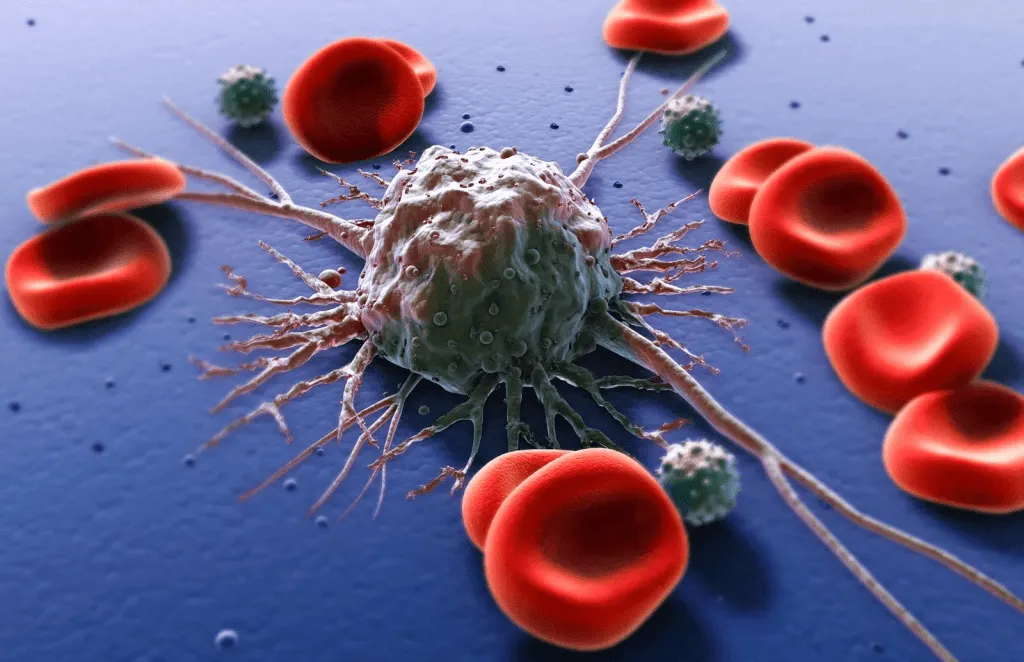
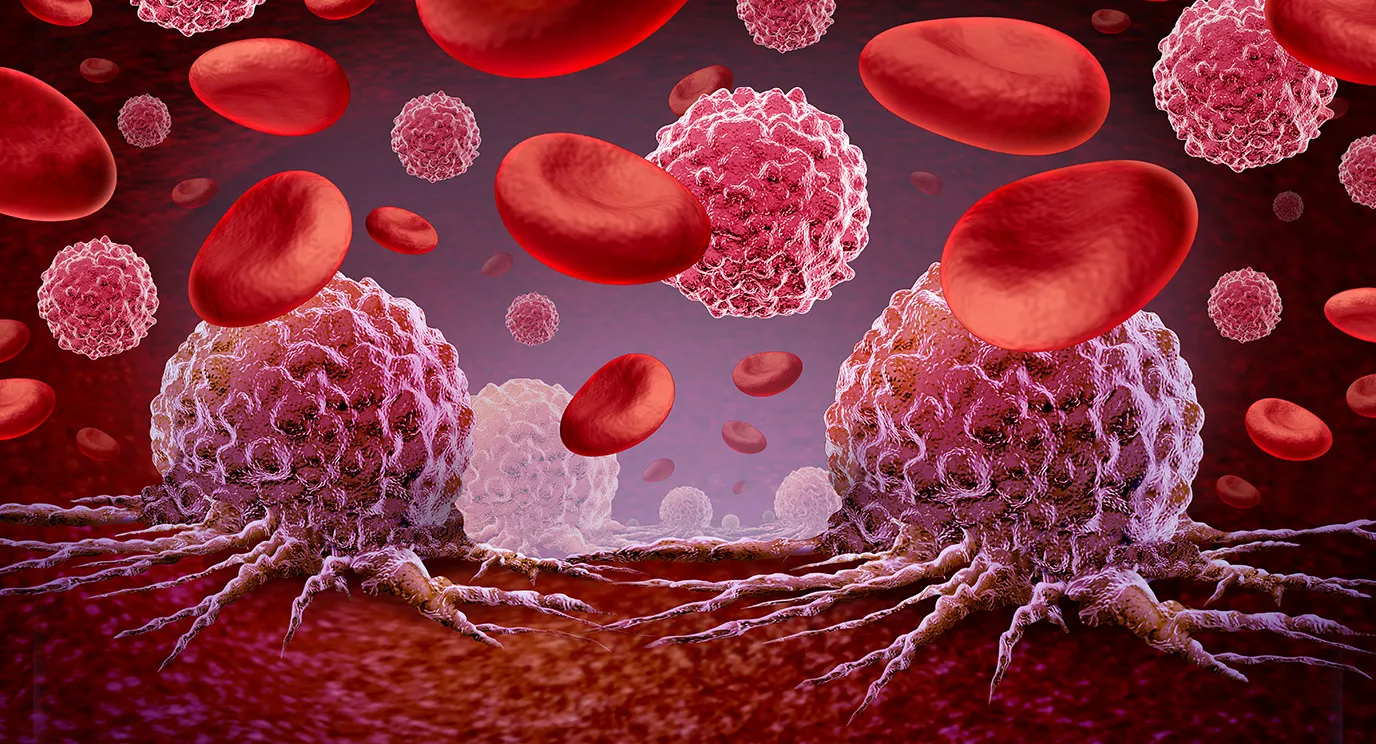
Breast cancer develops when abnormal cells in breast tissue begin to grow uncontrollably. These cells usually originate in the milk ducts or lobules and can eventually spread to surrounding tissue. Understanding how Breast Cancer starts at a cellular level helps explain why early screening is so important.
In the earliest stage, genetic mutations disrupt normal cell division. These mutations may be inherited or acquired over time due to aging, hormonal exposure, or environmental factors. While not all mutations cause Breast Cancer, certain changes significantly increase risk.
Understanding Cell Mutation
Healthy cells follow a strict life cycle, but cancer cells ignore signals to stop growing. In Breast Cancer, these abnormal cells accumulate, forming a tumor that may be benign or malignant.
Benign vs Malignant Tumors
Not all breast lumps are cancerous. Benign tumors do not spread, while malignant Breast Cancer tumors can invade nearby tissue and metastasize to other organs.
2. Early Risk Factors and Genetic Influences
Risk factors play a major role in the development of Breast Cancer. Some risks are unavoidable, while others relate to lifestyle or reproductive history. Understanding these risks empowers individuals to make informed health choices.
Genetic mutations such as BRCA1 and BRCA2 significantly increase the likelihood of developing Breast Cancer. However, most people diagnosed do not have a known genetic mutation, highlighting the importance of regular screening for everyone.
Common Risk Factors
- Family history of Breast Cancer
- Early menstruation or late menopause
- Hormone replacement therapy
- Alcohol consumption
- Obesity after menopause
Inherited Genetic Mutations
Women carrying BRCA mutations may develop Breast Cancer at a younger age and are often monitored more closely through enhanced screening programs.
3. Early Warning Signs and Subtle Symptoms
In its early stages, Breast Cancer may not cause noticeable symptoms. This silent progression is why routine screening is crucial. When symptoms do appear, they are often subtle and easily overlooked.
The most common sign is a painless lump in the breast or underarm. However, Breast Cancer can also present through skin changes, nipple discharge, or changes in breast shape.
Physical Changes to Watch For
- A new lump or thickening
- Dimpling or puckering of skin
- Nipple inversion or discharge
- Redness or scaling of the breast
When Symptoms Should Not Be Ignored
Any persistent breast change lasting more than two weeks should be evaluated. Early detection of Breast Cancer dramatically improves treatment success.
4. Screening and Early Detection Methods
Screening plays a vital role in identifying Breast Cancer before symptoms appear. Mammography remains the gold standard, especially for women over 40 or those at high risk.
Advanced imaging techniques now allow doctors to detect smaller tumors earlier than ever. Regular screening significantly reduces mortality from Breast Cancer by enabling early intervention.
Common Screening Tools
- Mammograms
- Breast ultrasound
- MRI for high-risk patients
- Clinical breast exams
Importance of Self-Exams
While self-exams cannot replace medical screening, they help individuals become familiar with their normal breast tissue and notice unusual changes linked to Breast Cancer.
5. Diagnostic Process After an Abnormal Finding
When screening reveals a suspicious area, further diagnostic testing is required. This stage can be emotionally challenging, but not all abnormalities result in a Breast Cancer diagnosis.
Biopsies are used to confirm whether cancer cells are present. Tissue samples help doctors determine the type, grade, and hormone receptor status of Breast Cancer.
Types of Biopsies
- Fine needle aspiration
- Core needle biopsy
- Surgical biopsy
Understanding Pathology Reports
Pathology results provide essential details about Breast Cancer, guiding treatment decisions and predicting outcomes.
6. Staging and Classification of Breast Cancer
Staging describes how far Breast Cancer has progressed. Doctors use tumor size, lymph node involvement, and metastasis to assign a stage from 0 to IV.
Accurate staging ensures that patients receive the most appropriate and effective treatment. Early-stage Breast Cancer often requires less aggressive therapy.
Breast Cancer Stages
- Stage 0: Non-invasive
- Stage I–II: Early invasive
- Stage III: Locally advanced
- Stage IV: Metastatic Breast Cancer
Molecular Subtypes
Breast cancers are also classified by hormone receptor status, such as HER2-positive or triple-negative Breast Cancer, which influence treatment strategies.
7. Treatment Options and Medical Interventions
Treatment plans for Breast Cancer are highly individualized. They may include surgery, radiation, chemotherapy, hormone therapy, or targeted treatments.
Advances in medicine have significantly improved survival rates. Many patients with Breast Cancer now live long, fulfilling lives after treatment.
Common Treatment Methods
- Lumpectomy or mastectomy
- Radiation therapy
- Chemotherapy
- Hormone-blocking drugs
- Immunotherapy
Personalized Treatment Plans
Doctors consider age, stage, and cancer subtype when designing a Breast Cancer treatment plan to minimize side effects and maximize effectiveness.
8. Emotional Impact and Mental Health During Treatment
A Breast Cancer diagnosis affects more than the body. Emotional and psychological challenges such as anxiety, depression, and fear are common throughout treatment.
Support systems play a critical role in recovery. Counseling, support groups, and open communication help patients cope with the mental burden of Breast Cancer.
Common Emotional Challenges
- Fear of recurrence
- Body image concerns
- Treatment-related stress
Importance of Support Networks
Strong family support and mental health care improve quality of life and resilience during Breast Cancer treatment.
9. Recovery, Survivorship, and Long-Term Monitoring
Recovery does not end when treatment stops. Survivorship involves ongoing monitoring to detect recurrence and manage long-term side effects of Breast Cancer treatment.
Many survivors adopt healthier lifestyles, including improved diet and exercise, to reduce recurrence risk and regain control of their lives.
Life After Treatment
Follow-up appointments, imaging, and hormone therapy may continue for years after Breast Cancer treatment ends.
Reducing Recurrence Risk
- Regular medical follow-ups
- Healthy nutrition
- Physical activity
- Stress management
10. Prevention, Awareness, and Future Outlook
While not all cases of Breast Cancer can be prevented, awareness and proactive healthcare significantly reduce risk. Education empowers individuals to seek screening and act early.
Ongoing research continues to improve detection methods and treatments. The future of Breast Cancer care is increasingly personalized, less invasive, and more hopeful than ever before.
Preventive Measures
- Routine screening
- Genetic counseling
- Healthy lifestyle choices
Advances in Research
Innovations in precision medicine and early detection promise better outcomes for future generations affected by Breast Cancer.
Conclusion
Breast cancer is a complex disease that unfolds over time, from silent cellular changes to diagnosis, treatment, and long-term survivorship. Understanding Breast Cancer at every stage empowers individuals to recognize early signs, seek timely care, and make informed decisions. With continued research, awareness, and support, the journey through Breast Cancer is no longer one of fear alone but also of resilience, hope, and survival.