Cervical Cancer: A Comprehensive Guide to Prevention, Detection, and Treatment
Cervical Cancer remains one of the most significant health challenges affecting women worldwide, particularly in low- and middle-income countries. Despite being largely preventable through vaccination and regular screening, it continues to cause substantial morbidity and mortality due to late diagnosis and limited access to healthcare services. Understanding Cervical Cancer—from its causes and risk factors to its symptoms, diagnosis, and treatment—is essential for empowering women and healthcare providers alike.
This in-depth article explores Cervical Cancer in a structured, chronological, and meaningful way. It provides scientific yet accessible information, integrates prevention strategies, and emphasizes early detection. Throughout the article, the keyword Cervical Cancer is highlighted to reinforce its importance and improve clarity for readers seeking authoritative knowledge.
Understanding Cervical Cancer
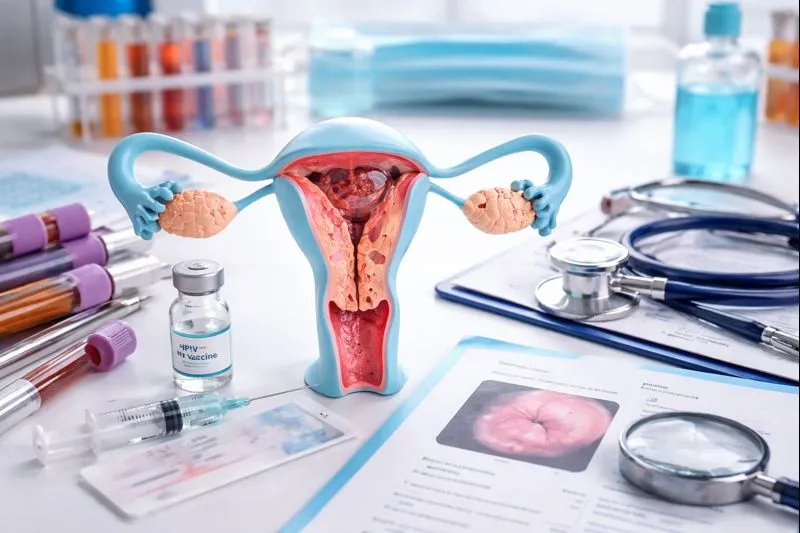
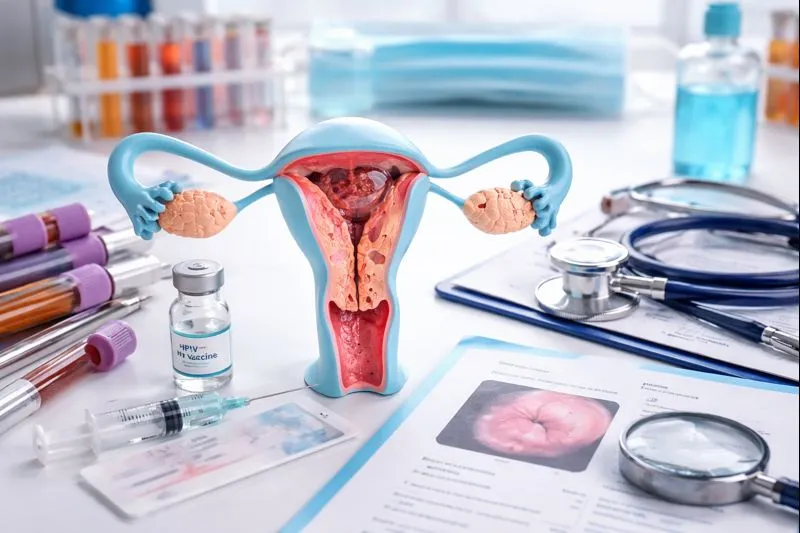
Cervical Cancer is a type of cancer that originates in the cells of the cervix, the lower part of the uterus connecting to the vagina. It typically develops slowly over time, beginning as precancerous changes known as cervical dysplasia. These abnormal cells may progress into invasive cancer if not detected and treated early.
The development of Cervical Cancer is closely linked to persistent infection with high-risk types of human papillomavirus (HPV). While HPV infection is common, most cases resolve naturally. Only a small percentage of infections persist and lead to cancer, underscoring the importance of immune response and screening.
Basic Anatomy of the Cervix
The cervix is composed of two main types of cells: squamous cells on the outer surface and glandular cells lining the cervical canal. Cervical Cancer can arise from either type, influencing its classification and treatment.
Why Early Knowledge Matters
Understanding how Cervical Cancer begins allows for timely prevention and reduces the risk of progression to advanced disease.
Global Epidemiology and Burden
Cervical Cancer is the fourth most common cancer among women globally. Each year, hundreds of thousands of new cases are diagnosed, with the majority occurring in regions lacking organized screening programs. This uneven distribution highlights disparities in healthcare access.
In high-income countries, the incidence of Cervical Cancer has declined significantly due to widespread Pap smear testing and HPV vaccination. Conversely, mortality rates remain high in developing regions where awareness and resources are limited.
High-Risk Populations
Women in rural areas, those with limited education, and individuals without access to regular gynecological care face a higher risk of Cervical Cancer.
Socioeconomic Impact
The economic and emotional burden of Cervical Cancer extends beyond patients, affecting families and healthcare systems.
Causes and Risk Factors
The primary cause of Cervical Cancer is persistent infection with oncogenic HPV strains, particularly HPV-16 and HPV-18. These viruses interfere with normal cell regulation, leading to uncontrolled growth.
Additional risk factors for Cervical Cancer include early sexual activity, multiple sexual partners, smoking, long-term use of oral contraceptives, and a weakened immune system.
Behavioral and Lifestyle Factors
Smoking increases the risk of Cervical Cancer by introducing carcinogens that damage cervical cells and impair immune function.
Biological Susceptibility
Genetic predisposition and immune response variability also play a role in Cervical Cancer development.
Role of Human Papillomavirus (HPV)
HPV is a sexually transmitted virus with over 100 types, of which about 14 are considered high-risk for Cervical Cancer. Persistent infection with these strains can integrate viral DNA into host cells, disrupting tumor suppressor genes.
Not all HPV infections lead to Cervical Cancer, but persistent high-risk infections are the central pathway to malignancy. This understanding has revolutionized prevention strategies.
HPV Transmission
HPV spreads through intimate skin-to-skin contact, making prevention through vaccination and safe practices essential.
Natural Clearance
Most individuals clear HPV naturally, but monitoring is crucial to prevent Cervical Cancer.
Signs and Symptoms
Early-stage Cervical Cancer often presents with no noticeable symptoms, which is why routine screening is vital. As the disease progresses, symptoms may begin to appear.
Common symptoms of advanced Cervical Cancer include abnormal vaginal bleeding, pelvic pain, pain during intercourse, and unusual vaginal discharge.
Early vs Late Symptoms
Early detection of Cervical Cancer before symptom onset dramatically improves outcomes.
When to Seek Medical Attention
Any persistent gynecological symptoms should prompt evaluation for Cervical Cancer.
Screening and Early Detection
Screening is the cornerstone of Cervical Cancer prevention. The Pap smear detects precancerous changes, while HPV testing identifies high-risk viral strains.
Regular screening allows for treatment of abnormal cells before they become cancerous, significantly reducing the incidence of Cervical Cancer.
Screening Methods
- Pap smear test
- HPV DNA test
- Visual inspection with acetic acid (VIA)
Screening Guidelines
Adherence to age-appropriate screening schedules is essential to prevent Cervical Cancer.
Diagnosis and Staging
When screening results are abnormal, further diagnostic procedures such as colposcopy and biopsy are used to confirm Cervical Cancer. Accurate diagnosis guides treatment decisions.
Staging of Cervical Cancer determines the extent of disease spread and is crucial for prognosis and therapy planning.
Diagnostic Tools
Imaging studies like MRI and CT scans help assess tumor size and spread in Cervical Cancer.
FIGO Staging System
This system standardizes Cervical Cancer staging worldwide.
Treatment Options
Treatment for Cervical Cancer depends on the stage, tumor size, and patient health. Early-stage disease may be treated surgically, while advanced cases require combined therapies.
Common treatments include surgery, radiation therapy, chemotherapy, and targeted therapy, often used in combination for optimal results in Cervical Cancer.
Multimodal Therapy
Combining treatments improves survival in advanced Cervical Cancer.
Side Effects Management
Supportive care is vital during Cervical Cancer treatment.
Prevention Strategies
Preventing Cervical Cancer is highly achievable through HPV vaccination, regular screening, and education. Vaccines protect against the most common cancer-causing HPV types.
Public health initiatives focusing on awareness and accessibility are key to eliminating Cervical Cancer as a global health threat.
HPV Vaccination
Vaccination before sexual debut offers the highest protection against Cervical Cancer.
Community Education
Knowledge empowers women to take preventive action against Cervical Cancer.
Living with Cervical Cancer and Survivorship
A diagnosis of Cervical Cancer affects physical, emotional, and social well-being. Survivorship care focuses on recovery, monitoring, and quality of life.
Psychological support, rehabilitation, and follow-up care are essential components of long-term management after Cervical Cancer treatment.
Emotional and Mental Health
Addressing mental health improves outcomes for Cervical Cancer survivors.
Long-Term Follow-Up
Regular monitoring ensures early detection of recurrence in Cervical Cancer.
Conclusion
Cervical Cancer is a largely preventable and treatable disease when detected early and managed appropriately. Advances in vaccination, screening, and treatment have transformed outcomes, yet disparities persist. By increasing awareness, promoting preventive measures, and ensuring access to quality care, the global burden of Cervical Cancer can be significantly reduced. Empowered with knowledge and proactive healthcare, women can take decisive steps toward a future free from Cervical Cancer.