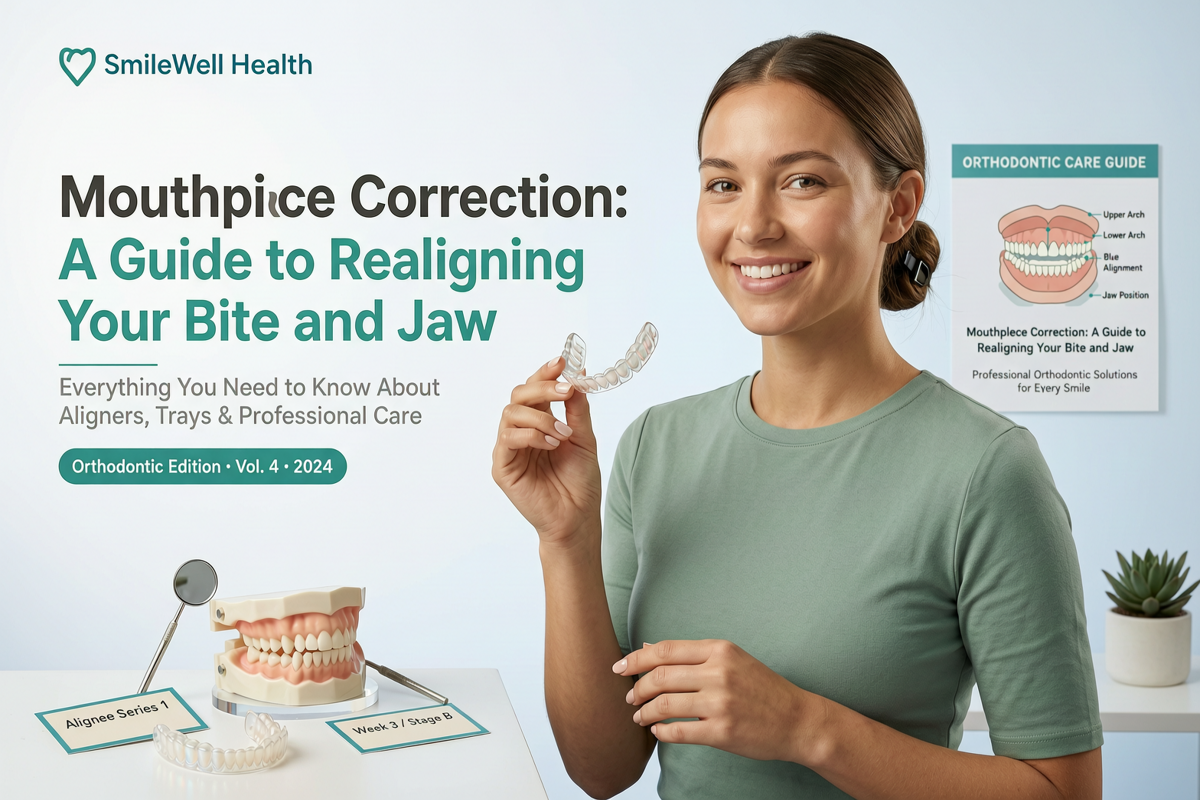
Mouthpiece Correction: A Guide to Realigning Your Bite and Jaw
Learn how mouthpiece correction can alleviate TMJ pain, improve bite alignment, and enhance overall oral health. Expert insights on types, benefits, and care.
Understanding Mouthpiece Correction
Mouthpiece correction, often referred to as occlusal splint therapy or bite adjustment, is a non-invasive orthopedic treatment used to realign the jaw and correct bite disorders. This therapy involves wearing a custom-fitted oral appliance—typically made of acrylic or hard plastic—that repositions the mandible, relaxes the jaw muscles, and reduces pressure on the temporomandibular joint (TMJ). While many associate mouthguards with sports, mouthpiece correction serves a therapeutic purpose for conditions like bruxism (teeth grinding), TMJ disorders, and malocclusion.
The concept is simple: by altering the way your upper and lower teeth come together, the appliance guides your jaw into a more neutral, comfortable position. This can relieve chronic pain, prevent tooth wear, and even improve posture. Orthopedic braces and supports for the jaw are gaining traction as patients seek alternatives to surgery or long-term medication.
Who Needs Mouthpiece Correction?
Mouthpiece correction is not a one-size-fits-all solution. It is typically recommended for individuals experiencing:
- TMJ Disorders: Pain or clicking in the jaw joint, often accompanied by headaches or earaches.
- Bruxism: Involuntary teeth grinding or clenching, especially during sleep, leading to enamel erosion and muscle fatigue.
- Malocclusion: Misalignment of teeth that causes uneven bite pressure, affecting chewing and speech.
- Orthodontic Relapse: After braces, some patients experience shifting teeth; a retainer-like mouthpiece can stabilize the bite.
- Sleep Apnea: Certain mouthpieces (mandibular advancement devices) reposition the jaw to keep the airway open.
If you wake up with jaw soreness, have difficulty opening your mouth fully, or notice worn-down teeth, a consultation with a dentist or orthopedist is the first step. They may use X-rays, bite analysis, or digital scans to determine if mouthpiece correction suits you.
Types of Mouthpieces for Correction
Not all mouthpieces are created equal. The right type depends on your specific condition:
Stabilization Splints
These are flat, hard acrylic appliances that cover either the upper or lower teeth. They provide a stable surface for the opposing teeth to contact, reducing muscle hyperactivity and protecting teeth from grinding. Ideal for bruxism and mild TMJ issues.
Repositioning Splints
Designed to hold the jaw in a forward or slightly open position, these splints take pressure off the TMJ and encourage proper alignment. They are often used for more severe TMJ disorders and can be adjusted over time.
Anterior Bite Planes
A small appliance that covers only the front teeth, preventing the back teeth from touching. This immediately relaxes the jaw muscles and is typically a temporary measure before transitioning to a full splint.
Mandibular Advancement Devices (MADs)
Commonly used for sleep apnea, these mouthpieces push the lower jaw forward to keep the airway open. They can also improve bite alignment but require careful fitting by a sleep specialist.
All types must be custom-fitted by a professional. Over-the-counter boil-and-bite mouthguards are not recommended for correction as they lack precision and may worsen symptoms.
The Correction Process: What to Expect
Mouthpiece correction is a gradual process. Here's a typical timeline:
- Initial Assessment: Your dentist or orthopedist evaluates your bite, symptoms, and medical history. Impressions or digital scans of your teeth are taken.
- Fabrication: The mouthpiece is custom-made in a lab, usually within 1-2 weeks.
- Fitting and Adjustment: You try on the appliance; minor adjustments are made to ensure comfort and proper fit.
- Wear Schedule: Most patients wear the mouthpiece at night initially, then gradually increase to full-time wear as directed. Compliance is key for results.
- Follow-Up: Regular check-ups (every 3-6 months) monitor progress. The mouthpiece may need adjustments as your bite changes.
Results vary. Some patients feel relief within days, while others require months of consistent use. The goal is to achieve a stable, pain-free bite; once achieved, you may transition to a retainer or continue with the splint.
Benefits Beyond Pain Relief
While the primary goal is to alleviate discomfort, mouthpiece correction offers additional advantages:
- Protects Teeth: Prevents further wear from grinding and clenching.
- Improves Sleep Quality: Reduces nighttime grinding and, for MAD users, alleviates sleep apnea symptoms.
- Enhances Posture: Jaw misalignment can affect neck and shoulder muscles; correction may improve overall body alignment.
- Boosts Confidence: A balanced bite can improve facial symmetry and smile aesthetics.
Caring for Your Mouthpiece
Proper maintenance extends the life of your appliance and prevents bacterial buildup:
- Clean daily with a soft toothbrush and mild soap or non-abrasive toothpaste.
- Soak in a denture cleaner or vinegar solution weekly.
- Store in a ventilated case when not in use.
- Avoid hot water, which can warp the material.
- Bring to dental appointments for professional cleaning and inspection.
Replace the mouthpiece every 2-3 years or if it becomes loose, cracked, or uncomfortable.
Potential Risks and Considerations
Mouthpiece correction is generally safe, but some patients experience:
- Temporary increase in salivation or soreness.
- Changes in bite sensation (usually resolves within weeks).
- Jaw discomfort if the appliance is not properly adjusted.
Serious complications are rare. However, if you have severe arthritis, advanced periodontal disease, or certain dental restorations, your dentist may recommend alternative treatments. Always consult a qualified professional before starting therapy.
Conclusion: Is Mouthpiece Correction Right for You?
Mouthpiece correction is a proven, conservative approach to managing jaw and bite disorders. By providing orthopedic support, it can transform your quality of life—reducing pain, protecting your teeth, and improving function. If you suspect you have a bite issue, seek a thorough evaluation. With the right diagnosis and a custom-fitted mouthpiece, relief may be closer than you think.