How Experian is Changing the Way You See Your Credit
Discover how Experian's innovative tools are transforming credit reporting, from Boost to ID monitoring, and why your report matters more than ever.
The Quiet Revolution in Credit Reporting
When you think about your financial life, few numbers carry as much weight as your credit score. And behind that three-digit figure stands Experian, one of the three major credit bureaus that quietly shape your borrowing possibilities. But Experian is no longer just a passive repository of your payment history. Over the past decade, it has reinvented itself into a dynamic financial health platform, offering tools that promise to demystify credit and even help you improve it in real time.
In 2025, understanding how Experian works isn't just helpful—it's essential for anyone who hopes to secure a mortgage, land a rental, or avoid the sting of a surprise credit denial. Let's unpack what Experian brings to the table, how it has evolved, and what you should know to make it work for you.
What Actually Goes Into Your Experian Report?
Your Experian credit report is a detailed ledger of your financial behaviors, compiled from data that lenders voluntarily report. It includes your personal information, current and past credit accounts, payment history, credit inquiries, and any public records such as bankruptcies or tax liens. Many people assume the report is just an array of numbers, but it's really a narrative of how reliably you repay debt.
One crucial distinction: Experian does not use a single scoring model. Instead, it supplies raw data to various scoring companies, including its own Experian Credit Score, which aligns closely with the widely used FICO Score. That means the score you see in the Experian app may differ slightly from the one your lender pulls, but the underlying data is the same.
Why the Details Matter
Errors on your credit report are more common than you might think. A 2024 study found that roughly one in four consumers had a mistake on at least one of their credit reports. These errors can drag down your score, leading to higher interest rates or outright denials. This is why regularly reviewing your Experian report is not just a good habit—it's a financial safety net.
Experian Boost: A Controversial Game-Changer
One of the most innovative—and debated—features Experian has introduced is Boost. This tool allows consumers to add positive payment data for bills that traditionally don't appear on credit reports, such as cell phone, internet, and streaming service subscriptions. By doing so, a user can see an immediate increase in their credit score if the data improves their profile.
Critics argue that Boost can create a false sense of creditworthiness, because utility and streaming payments aren't typically integral to a lender's risk assessment. Yet for millions of thin-file consumers—those with little to no credit history—Boost offers a bridge into the credit mainstream. It is not a silver bullet, but it demonstrates how Experian is aiming to make credit more inclusive.
Identity Theft Protection: More Than a Buzzword
In an era of massive data breaches, Experian has positioned itself as a guardian of consumer identity. Its credit monitoring services track changes to your report, send alerts when new accounts are opened, and provide dark web surveillance for your personal information. These features are increasingly bundled with credit scores and reports, creating a one-stop shop for financial security.
However, it's important to read the fine print. Many of Experian's proactive protection features come with fees, while the basic free version only offers limited alerts. Understanding the difference between free and paid tiers can help you choose the right level of protection without overpaying.
Disputing Errors: Your Power to Push Back
Discovering an inaccuracy on your Experian report can feel daunting, but the dispute process is designed to be consumer-friendly. You can file a dispute through Experian's website, explaining what is wrong and providing supporting documents. By law, Experian must investigate your claim—usually within 30 days—and send you a response. If the error is confirmed, they must correct it.
Many people are surprised to learn that you can also add a personal statement to your report explaining a negative item, such as a missed payment due to a medical emergency. This doesn't remove the negative mark, but it gives lenders context. Knowing these rights enables you to take control of your financial narrative.
Beyond the Score: Experian's Expanding Universe
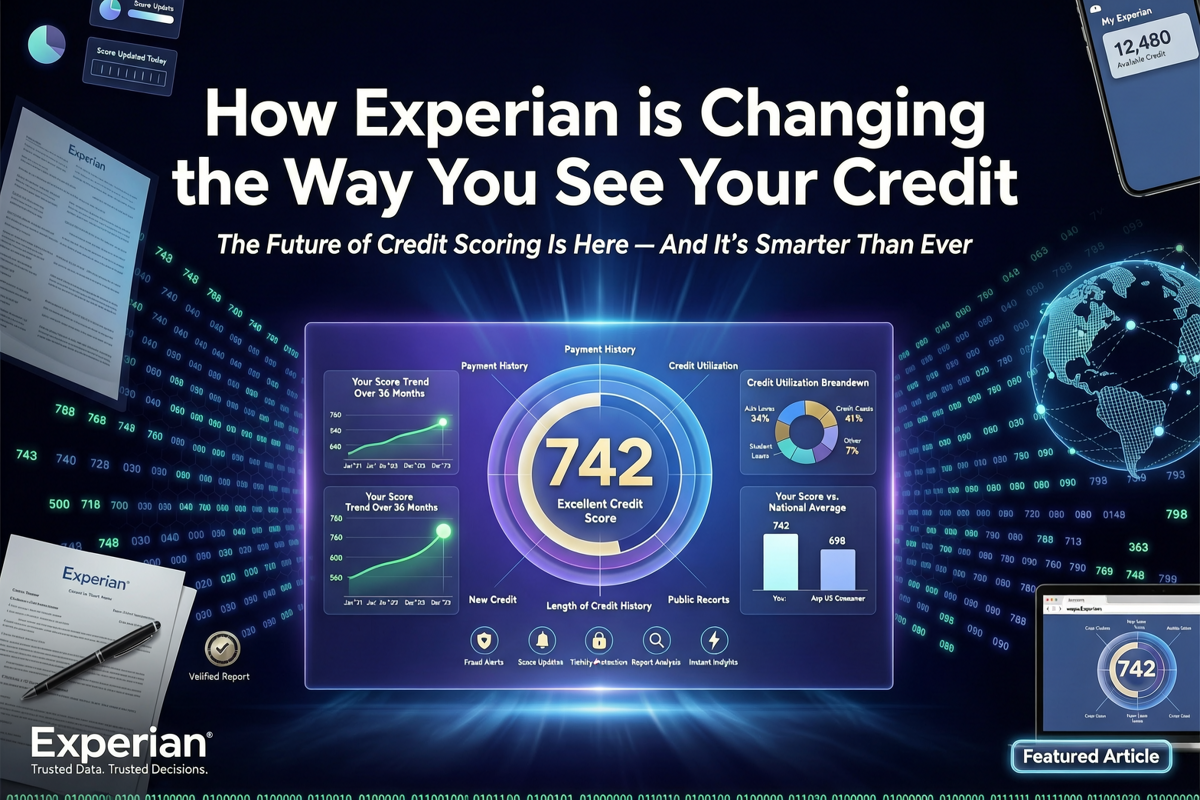
Experian has branched out far beyond traditional credit reporting. Today, the company offers financial education, loan comparison tools, and even a feature that lets you check your eligibility for credit cards without affecting your score. Experian's app consolidates your credit health, alerts you to changes in real time, and provides actionable tips to improve your score over time.
This shift from data broker to personal finance ally is significant. It means that while Experian still serves lenders, it also serves you. The company's growing investment in artificial intelligence and machine learning suggests that future tools will be even more predictive, helping consumers anticipate credit issues before they become credit disasters.
What This Means for Your Financial Future
The way you engage with your credit report today will shape your financial options tomorrow. Don't wait until you're about to apply for a loan. Make it a habit to check your Experian report at least twice a year, especially before major financial decisions. Use the tools available to you, from dispute mechanisms to score simulators, to understand how different actions—like paying down a card or taking on a new loan—might influence your credit profile.
Many people still treat their credit report as an abstract and intimidating document. But with Experian's user-friendly platforms and educational resources, it has never been easier to take charge. You don't need to be a financial expert; you just need to be curious enough to look under the hood.
The Future of Experian in a Data-Rich World
As Experian continues to collect more data points—from rent payments to subscription histories—the very definition of creditworthiness is likely to broaden. This could be a double-edged sword: more data might mean greater inclusion, but it also raises questions about privacy and accuracy. Consumers must remain vigilant, holding both Experian and lenders accountable for the data used to make decisions.
In the end, Experian is not just a company that tracks you; it's a tool you can wield. By staying informed and proactive, you can ensure that your credit report becomes an accurate reflection of your financial responsibility, rather than a source of unexpected obstacles. So dive in, explore the features, and remember: your credit score is not a mystery. It's a mirror—and Experian has given you the cloth to keep it clear.