Credit Karma: Is Free Credit Monitoring Worth the Trade-Off?
Credit Karma offers free credit scores and monitoring, but users trade personal data for access. We examine the pros, cons, and privacy implications.
Introduction: The Allure of Free Credit Scores
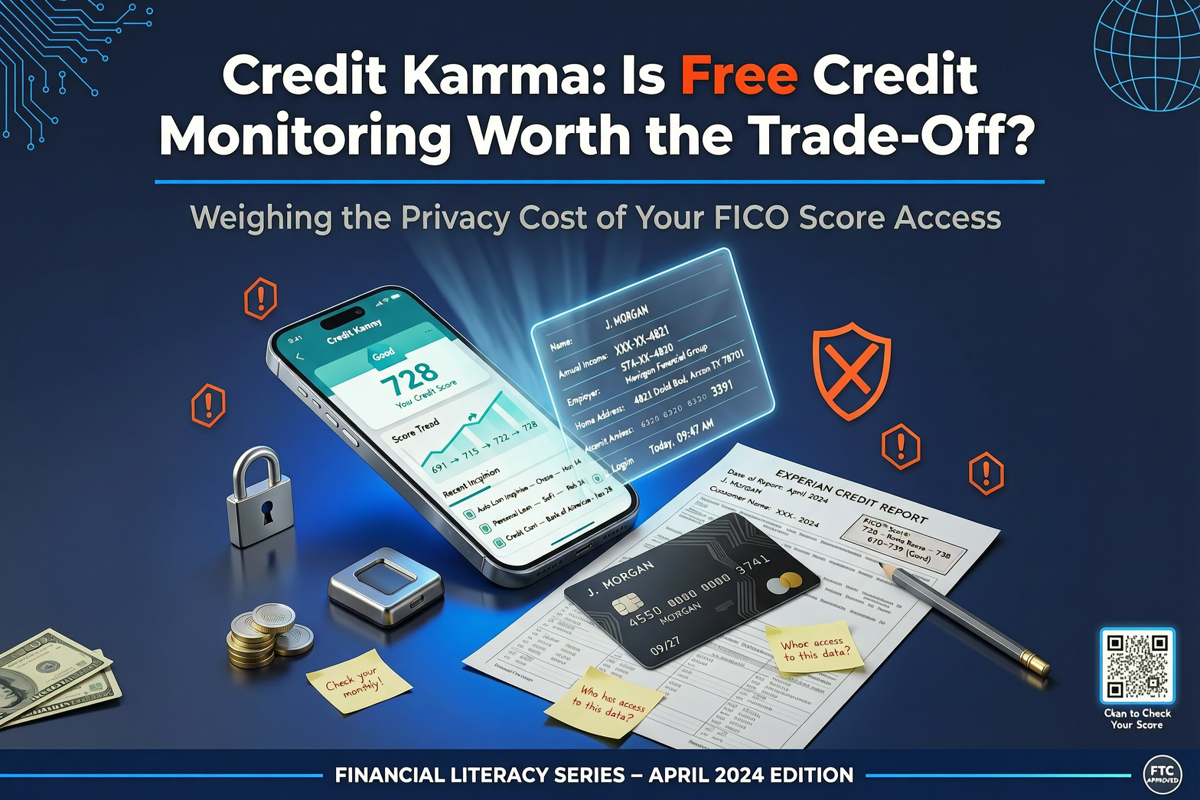
In an era where financial health is paramount, Credit Karma has emerged as a household name. With its promise of free credit scores, monitoring, and personalized recommendations, the platform has attracted over 120 million members. But as the adage goes, if you're not paying for the product, you are the product. This article delves into the mechanics of Credit Karma, weighing its benefits against the privacy trade-offs and exploring whether the service is truly a boon for consumers or a clever data-mining operation.
What Is Credit Karma?
Founded in 2007 by Ken Lin, Ryan Graciano, and Nichole Mustard, Credit Karma is a personal finance company that provides free credit scores and reports from two of the three major credit bureaus: TransUnion and Equifax. It also offers credit monitoring, identity theft alerts, and financial product recommendations, such as credit cards, loans, and insurance. In 2020, Intuit acquired Credit Karma for $7.1 billion, integrating it with TurboTax and Mint to create a comprehensive financial ecosystem.
The core offering is simple: users sign up, verify their identity, and gain access to their credit scores and reports at no cost. Credit Karma generates revenue through targeted advertisements and affiliate commissions when users apply for recommended financial products. This business model has fueled rapid growth but also raises questions about user privacy and the objectivity of recommendations.
The Pros: Why Millions Love Credit Karma
Free Access to Credit Scores and Reports
For many, Credit Karma is a gateway to understanding credit. Before its rise, obtaining a credit score often required paying a fee or signing up for a credit card. Credit Karma democratized access, allowing users to check their scores as often as they like without hurting their credit. The platform provides educational resources, including articles and tools like the Credit Score Simulator, which shows how different actions might affect a score.
Credit Monitoring and Alerts
Credit Karma monitors credit reports for key changes, such as new accounts, inquiries, or delinquencies. Users receive alerts via email or push notifications, helping them spot potential identity theft early. The service also offers identity monitoring, including dark web surveillance for personal information like Social Security numbers.
Personalized Recommendations
Based on a user's credit profile, Credit Karma suggests financial products that may be a good fit. This can save time and help users compare offers. For example, someone with good credit might see credit cards with high rewards, while someone rebuilding credit might see secured cards or credit-builder loans.
The Cons: Hidden Costs of 'Free'
Data Privacy Concerns
Credit Karma's business model relies on collecting vast amounts of personal data. When you sign up, you provide your name, address, Social Security number, and date of birth. The platform then uses this data to serve targeted ads. While Credit Karma states it does not sell personal information, it shares data with third-party partners for marketing purposes. In 2022, the company settled with the Federal Trade Commission (FTC) for $3 million, accused of misleading consumers about the accuracy of its credit scores and the likelihood of approval for recommended offers.
Credit Scores May Not Be the Ones Lenders Use
Credit Karma provides VantageScore 3.0 scores, which may differ from the FICO scores most lenders use. While VantageScore is a legitimate scoring model, the discrepancy can lead to confusion. Users may apply for a product thinking they have a higher score than they actually do, resulting in rejection or less favorable terms.
Aggressive Marketing and Upselling
Upon logging in, users are bombarded with offers for credit cards, loans, and insurance. The platform's design nudges users toward applying, often using language like "You're pre-approved" or "High approval odds." However, these are typically soft inquiries that don't affect credit, but the constant push to apply can encourage unnecessary credit seeking.
Limited Bureau Coverage
Credit Karma only provides reports from TransUnion and Equifax, omitting Experian. Since each bureau may have different information, users could miss errors or fraud on their Experian report. To get a complete picture, consumers must check Experian separately.
How Credit Karma Compares to Alternatives
Competitors like Experian, Equifax, and TransUnion offer their own free monitoring services, though they often require a credit card for full features. AnnualCreditReport.com provides free weekly reports from all three bureaus but no scores or monitoring. NerdWallet and WalletHub offer free scores with fewer ads but similar data collection. For those seeking maximum privacy, obtaining reports directly from bureaus and using a paid monitoring service may be preferable.
Tips for Using Credit Karma Safely
- Understand the scores: Recognize that Credit Karma shows VantageScores, not FICO scores. Use the platform as a general indicator, not a definitive measure.
- Review recommendations critically: Not all suggested products are in your best interest. Compare terms independently and read the fine print.
- Limit personal information shared: Avoid linking bank accounts or providing unnecessary details. Use strong, unique passwords and enable two-factor authentication.
- Monitor all three bureaus: Supplement Credit Karma with free reports from AnnualCreditReport.com or Experian's free service to ensure comprehensive coverage.
- Opt out of marketing: Adjust privacy settings to limit targeted ads. However, this may reduce the personalization of recommendations.
Conclusion: A Useful Tool, Not a Complete Solution
Credit Karma offers undeniable value for those looking to monitor their credit without spending money. Its user-friendly interface and educational resources make it an excellent starting point for financial beginners. However, the platform's reliance on data monetization and its focus on VantageScores mean it should not be the sole source of credit information. By understanding the trade-offs and supplementing with other tools, consumers can leverage Credit Karma's benefits while mitigating its drawbacks. Ultimately, knowledge is power—and Credit Karma provides plenty of it, as long as you're aware of the price you pay in data.