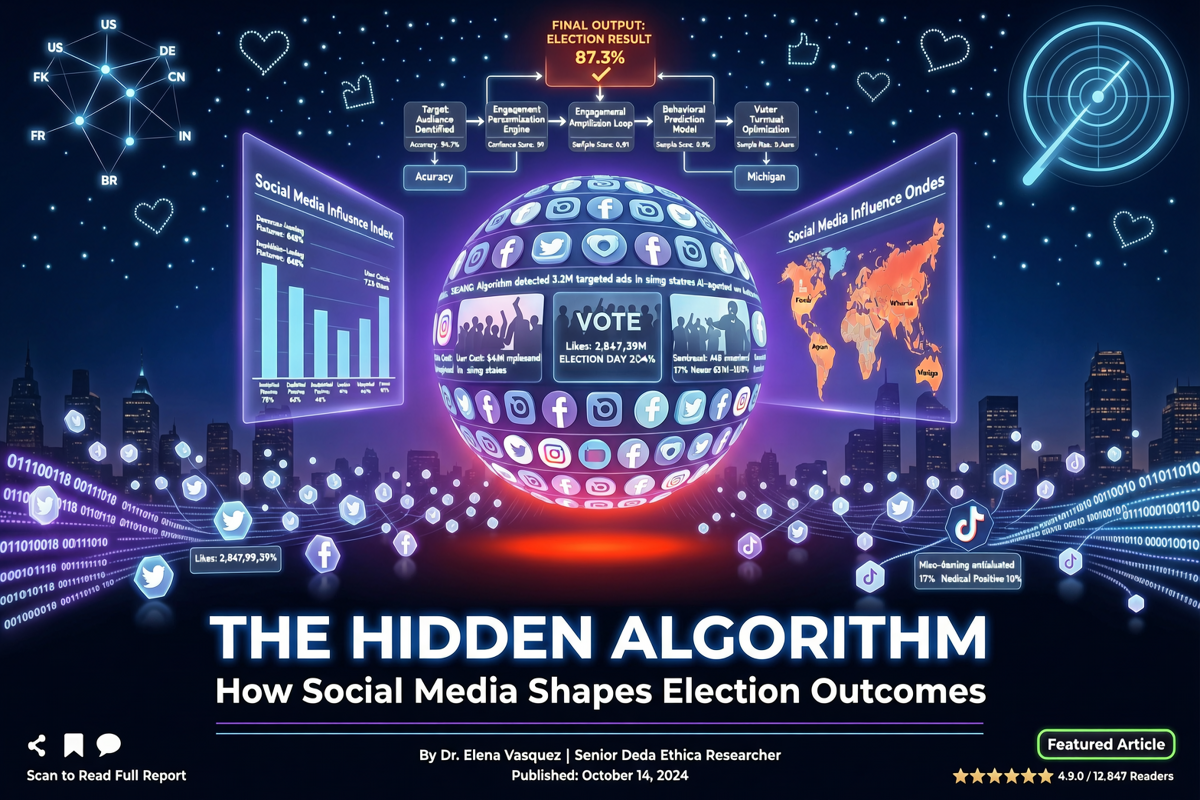
The Hidden Algorithm: How Social Media Shapes Election Outcomes
Explore how social media algorithms influence voter behavior, spread disinformation, and reshape modern election campaigns in the digital age.
The Digital Battlefield of Modern Elections
Elections have always been a contest of ideas, charisma, and ground operations. But in the 21st century, a new, invisible force has emerged as a decisive player: the social media algorithm. These complex lines of code, designed to maximize user engagement, now profoundly influence what voters see, believe, and ultimately do at the ballot box. From Facebook's news feed to Twitter's trending topics, algorithms curate political information in ways that can amplify certain messages, suppress others, and create echo chambers that polarize electorates. Understanding this algorithmic influence is critical for candidates, campaign staff, and voters alike.
The Mechanics of Algorithmic Influence
Social media platforms rely on machine learning algorithms that prioritize content based on user behavior—likes, shares, comments, and time spent. For political content, this has several consequences. First, algorithms tend to favor emotionally charged content, which often includes sensationalism, outrage, and misinformation, because such content drives engagement. Second, they create filter bubbles by showing users more of what they already agree with, reinforcing existing beliefs and reducing exposure to diverse viewpoints. Third, micro-targeting allows campaigns to send bespoke ads and messages to specific voter segments, often without transparency. These mechanics have been exploited in elections worldwide, from the 2016 U.S. presidential race to the Brexit referendum and beyond.
Echo Chambers and Polarization
One of the most studied effects of algorithmic curation is the creation of echo chambers. When users consistently see posts that align with their political leanings, they become more confident in their views and more hostile toward opposing perspectives. This polarization can lead to a fragmented public sphere where shared facts are scarce. Research has shown that exposure to diverse opinions decreases on platforms like Facebook and Twitter over time, largely due to algorithms. In elections, this means that swing voters—the ones who decide outcomes—may be less swayable because they are not seeing a balanced mix of arguments. Instead, they are bombarded with partisan content that pushes them to extremes.
The Rise of Disinformation
Algorithms are not designed to distinguish truth from falsehood; they are designed to reward engagement. Disinformation—false or misleading information spread deliberately—often outperforms accurate news because it is more surprising, shocking, or identity-affirming. During election cycles, false claims about voter fraud, candidate scandals, or policy impacts can go viral before fact-checkers can respond. The 2020 U.S. election saw a flood of disinformation about mail-in ballots, and similar patterns have occurred in Brazil, India, and the Philippines. Social media platforms have taken steps to label or remove false content, but the sheer volume and speed of algorithmic propagation make it an uphill battle.
Targeted Advertising and Micro-targeting
Perhaps the most potent tool in the algorithmic arsenal is micro-targeted advertising. Campaigns can use data from social media platforms—demographics, interests, behaviors—to serve tailored messages to tiny groups or even individuals. A voter concerned about the economy might see an ad promising job growth, while another worried about healthcare sees a different message. This tactic is highly effective but raises ethical concerns. Voters may not realize they are receiving different information than their neighbors, undermining the idea of a shared public debate. The Facebook-Cambridge Analytica scandal highlighted how this data could be harvested without consent and used for political manipulation.
The Global Impact: Case Studies
The influence of social media algorithms on elections is a global phenomenon. In the 2016 U.S. election, fake news stories favoring Donald Trump were shared tens of millions of times on Facebook, likely swaying some undecided voters. In Myanmar, Facebook amplified hate speech against the Rohingya minority, contributing to ethnic violence and later affecting political campaigns. More recently, in the 2022 Philippine elections, TikTok algorithms helped propel candidates with strong visual appeal and viral dance challenges, bypassing traditional media scrutiny. Each case demonstrates that algorithmic systems are not neutral; they shape political reality.
Calls for Regulation and Reform
In response to these challenges, governments and civil society have called for greater transparency and accountability. The European Union's Digital Services Act requires platforms to disclose how their algorithms rank content and to mitigate systemic risks like disinformation. In the United States, proposals like the Algorithmic Accountability Act aim to force companies to audit their algorithms for bias and harm. However, regulation faces political hurdles and technical complexity. Some platforms have voluntarily adjusted algorithms—for example, demoting viral falsehoods or promoting authoritative news sources—but such changes are often partial and easily circumvented.
What Voters Can Do
While systemic change is necessary, individuals can also take steps to protect themselves from algorithmic manipulation. Diversifying news sources, using tools to fact-check claims, and adjusting social media settings to see more balanced content can help. More importantly, voters should be aware that the information they see on social media is curated by profit-driven algorithms, not by a commitment to truth. Critical thinking and media literacy are essential defenses in the age of algorithmic elections.
The Future of Algorithmic Politics
As artificial intelligence evolves, so too will the algorithms shaping elections. Deepfakes, AI-generated text, and hyper-personalized propaganda represent the next frontier. The line between genuine grassroots support and manufactured astroturfing will blur even further. Some scholars argue for a radical overhaul: redesigning social media platforms to prioritize accuracy over engagement, or even creating public algorithmic standards for election periods. The challenge is immense, but the stakes—the integrity of democratic processes—could not be higher.
In conclusion, social media algorithms are not just technological tools; they are political actors that shape election outcomes in profound and often unseen ways. Campaigns that master algorithmic influence gain a powerful edge, but at a cost to democratic deliberation. As voters, we must demand transparency, hold platforms accountable, and remain vigilant against the hidden hand of code that guides our political choices.