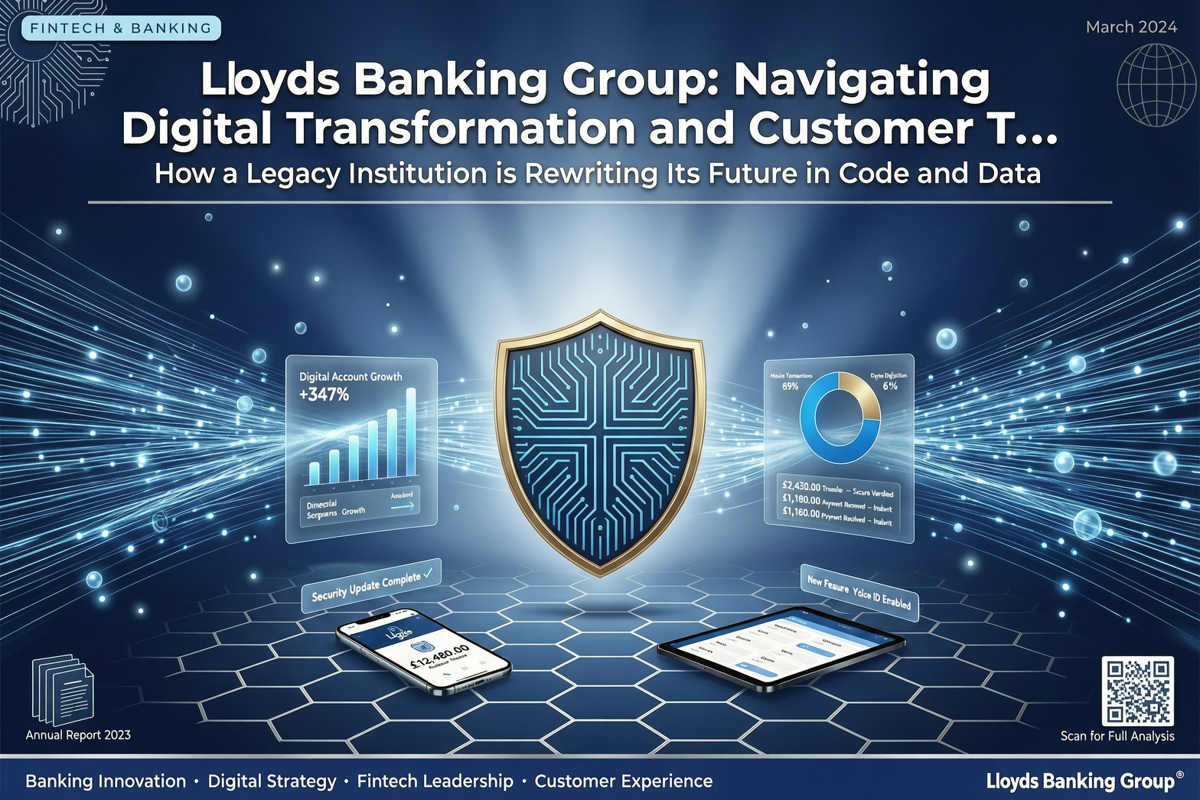
Lloyds Banking Group: Navigating Digital Transformation and Customer T
Explore how Lloyds Banking Group is balancing digital innovation with customer trust, from app upgrades to branch closures and new fintech partnerships.
Introduction: A Banking Giant at a Crossroads
Lloyds Banking Group, one of the UK's largest financial institutions, is navigating a pivotal moment. With over 30 million customers and a history stretching back to 1765, the bank is under pressure to modernize while maintaining the trust that has been its bedrock. As digital challengers like Monzo and Starling gain ground, Lloyds must evolve or risk irrelevance. Yet, its sheer scale offers unique advantages—and challenges. This article examines Lloyds' digital transformation, its impact on customers, and what the future holds for this British banking behemoth.
The Digital Push: Apps, AI, and Automation
Lloyds has invested heavily in its mobile app, which now boasts features like card freezing, spending insights, and instant notifications. The app's user base has grown to over 19 million active users, a testament to its convenience. However, the bank's digital strategy extends beyond the app. Lloyds is leveraging artificial intelligence to detect fraud, automate customer service via chatbots, and personalize product offerings. For instance, its AI-driven tool, 'Lloyds Smart Assistant,' handles millions of queries monthly, reducing wait times and operational costs.
Yet, digital transformation comes with risks. In 2023, a major IT outage left customers unable to access accounts or make payments for hours, sparking frustration and media backlash. Such incidents highlight the fragility of digital systems and the importance of robust infrastructure. Lloyds has since pledged to invest £2 billion in technology over three years, aiming to improve resilience and introduce features like open banking APIs.
Branch Closures: A Necessary Evil?
As digital usage surges, Lloyds has accelerated branch closures, shutting over 200 locations since 2020. The bank argues that only 12% of transactions now occur in branches, making many sites unsustainable. For customers in rural areas or those less tech-savvy, however, closures can be devastating. Lloyds has attempted to mitigate this by introducing 'Community Bankers' who visit local hubs and offering mobile banking vans. Critics argue these measures are insufficient, especially for elderly customers who rely on face-to-face service.
The bank's approach reflects a broader industry trend, but it also risks alienating a loyal customer base. Lloyds must strike a balance between efficiency and inclusivity, perhaps by partnering with post offices or co-working spaces to maintain a physical presence without the cost of full branches.
Trust and Reputation: Rebuilding After Scandals
Lloyds' reputation took a hit during the PPI mis-selling scandal, which cost it billions in compensation. More recently, the bank faced fines for failing to report suspicious transactions and for overcharging customers on overdrafts. These incidents have eroded trust, a critical asset for any bank. To rebuild, Lloyds has launched initiatives like the 'Helping Britain Prosper' plan, which includes commitments to lend to small businesses, support first-time homebuyers, and reduce carbon emissions. The bank also introduced a 'Vulnerable Customer' strategy, training staff to identify and assist those in financial difficulty.
Transparency is key. Lloyds now publishes annual 'Purpose and Sustainability' reports, detailing progress on social and environmental goals. While these efforts are commendable, they must be backed by consistent action to restore faith among sceptical customers.
Fintech Partnerships: Collaborating with Disruptors
Rather than fighting fintechs, Lloyds is embracing them. The bank has partnered with companies like Thought Machine to modernize its core banking systems and with Bud to offer open banking services. These collaborations allow Lloyds to access cutting-edge technology without building everything in-house. For example, its partnership with Coadjute aims to streamline the home-buying process using blockchain, potentially reducing transaction times from months to weeks.
Such moves signal a shift from a 'not invented here' mentality to a more open ecosystem. However, integrating with external partners poses security and regulatory challenges. Lloyds must ensure that third-party integrations meet its high standards for data protection and compliance.
Future Outlook: What's Next for Lloyds?
Looking ahead, Lloyds faces several headwinds. The UK's economic uncertainty, including rising interest rates and inflation, could pressure loan books and reduce consumer spending. Meanwhile, the bank must continue to innovate to keep pace with digital-first competitors. Key areas to watch include the expansion of its wealth management arm, Scottish Widows, and the rollout of its 'Lloyds Lab' innovation hub, which incubates fintech startups.
Another frontier is sustainability. Lloyds has committed to net-zero carbon emissions by 2050 and aims to lend £10 billion to green projects by 2025. Achieving these goals will require not only financing but also influencing customers and businesses to adopt greener practices. The bank's ability to lead on climate action could become a significant differentiator.
Conclusion: Balancing Tradition and Innovation
Lloyds Banking Group is at a pivotal juncture, striving to modernize without losing its identity as a trusted high-street bank. Its digital transformation is impressive but must be inclusive, its partnerships promising but secure, and its reputation recovery genuine. For customers, the bank remains a familiar name, but its future depends on how well it navigates the tensions between innovation and tradition. As the banking landscape evolves, Lloyds' ability to adapt will determine whether it remains a pillar of British finance or fades into history.