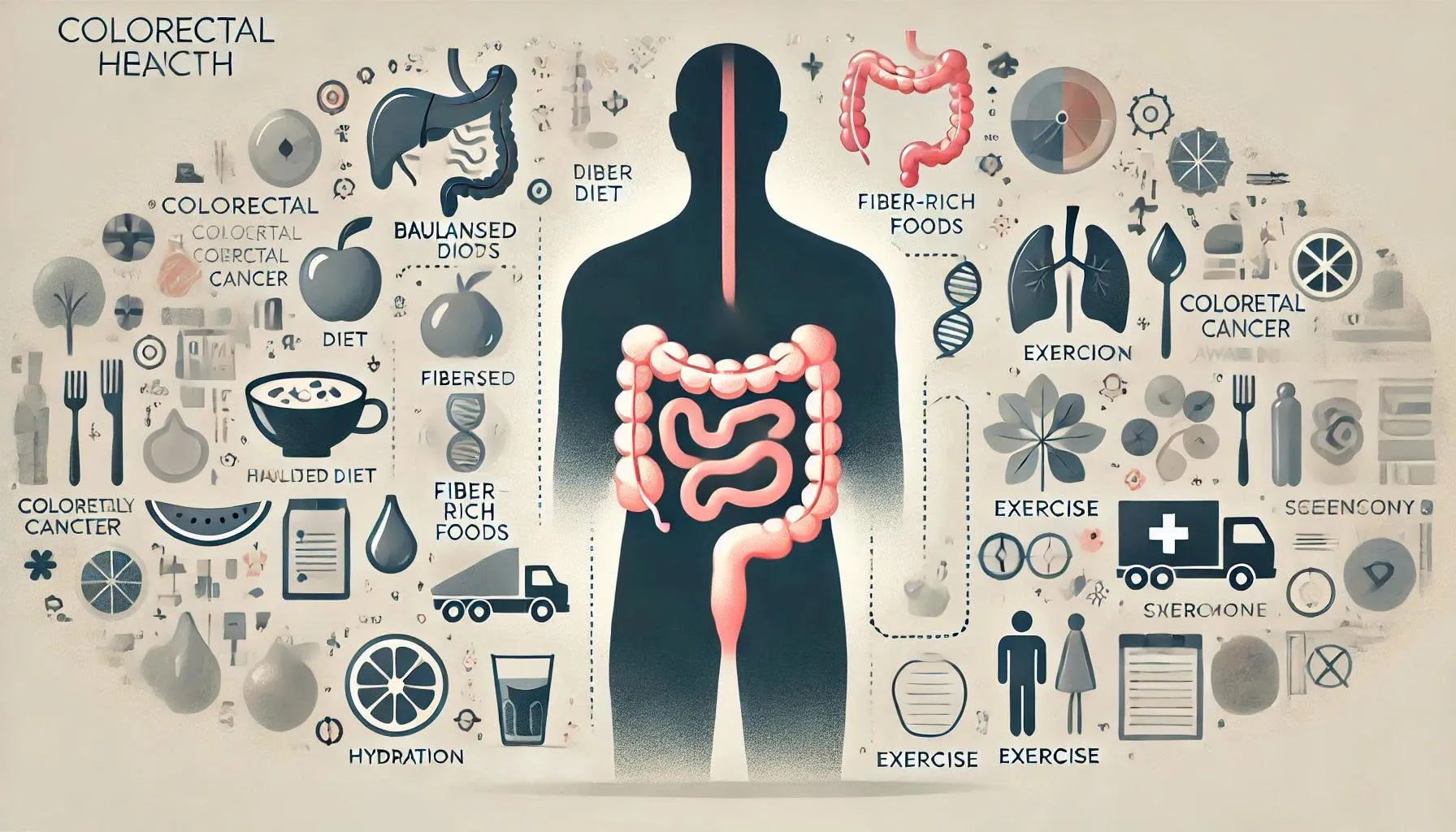
Colorectal Cancer: Key Facts, Early Signs, Causes, and Prevention
Colorectal cancer is one of the most common cancers worldwide, yet it is also one of the most preventable and treatable when detected early. Understanding its symptoms, causes, and screening methods can significantly reduce risks and improve long-term health outcomes.
What Is Colorectal Cancer?
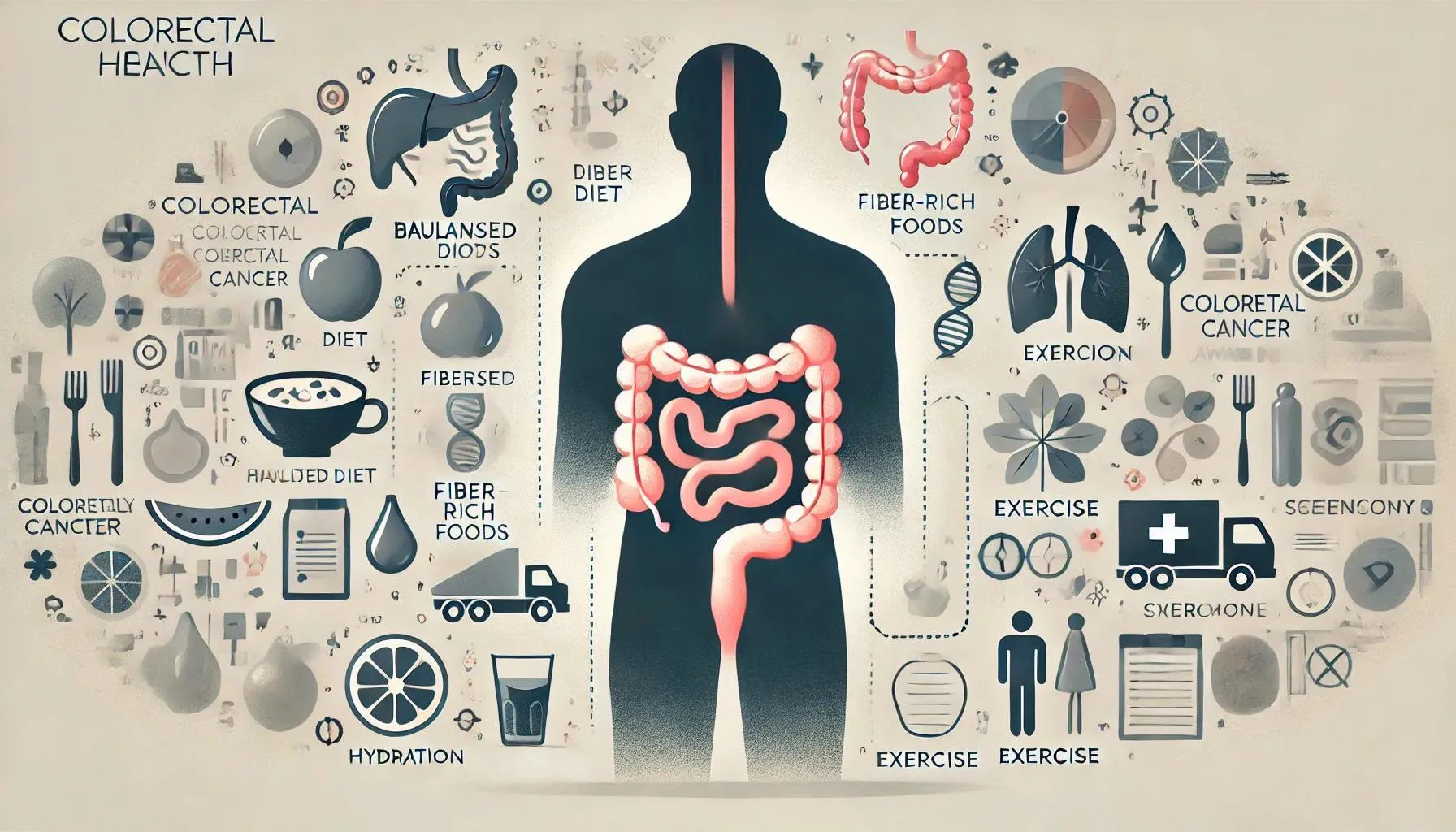
Colorectal cancer begins in the colon or rectum. Most cases start as small polyps—noncancerous growths that may gradually turn into cancer if not removed.
While it can affect people at any age, the risk increases with age, lifestyle factors, and family history.
Common Symptoms to Watch For
Colorectal cancer doesn’t always show early symptoms, but some signs may include:
- Changes in bowel habits (diarrhea, constipation, or narrower stools)
- Persistent abdominal discomfort
- Unexplained weight loss
- Blood in stool (bright red or very dark)
- Fatigue or weakness
- Feeling like the bowel doesn’t empty completely
These symptoms can also be caused by conditions unrelated to cancer, but it’s important to discuss them with a healthcare professional for proper evaluation.
Who Is at Higher Risk?
Several factors can increase the chances of developing colorectal cancer:
Age & Family History
- Most cases occur in people over 50.
- A family history of colorectal cancer or polyps raises risk.
Lifestyle Factors
- Low-fiber, high-fat diet
- Sedentary lifestyle
- Smoking and excessive alcohol use
- Obesity
Underlying Health Conditions
- Inflammatory bowel diseases such as Crohn’s disease or ulcerative colitis
Understanding these risk factors helps individuals take proactive steps toward prevention.
How Colorectal Cancer Is Detected
Regular screening is the most powerful tool for early detection. Common screening methods include:
1. Colonoscopy
The most comprehensive option. Doctors can detect and remove polyps in the same procedure.
2. Stool Tests
Non-invasive tests (FIT, gFOBT, or DNA-based tests) that detect hidden blood or abnormal DNA.
3. CT Colonography
A virtual colonoscopy that provides detailed imaging of the colon and rectum.
Most people should begin screening around age 45, or earlier for those with higher risk.
Effective Prevention Strategies
While not all cases are preventable, several lifestyle changes may help reduce the risk:
- Eat more fiber-rich foods: vegetables, fruits, whole grains
- Reduce processed and red meats
- Maintain a healthy weight
- Exercise regularly
- Avoid smoking and limit alcohol
- Follow recommended screening guidelines
Taking consistent steps can support long-term digestive and overall health.
Treatment Options
Treatment depends on the stage of the cancer and may include:
- Surgery
- Chemotherapy
- Radiation therapy
- Targeted therapy or immunotherapy, depending on eligibility
Early-stage cancers are often highly treatable, which reinforces the importance of timely screening.
When to Seek Medical Advice
If you notice persistent digestive changes or symptoms that feel unusual for your body, it may be helpful to consult a healthcare provider. Early evaluation supports better outcomes and provides peace of mind.
Final Thoughts
Colorectal cancer is a serious condition, but it is also one of the most preventable. With regular screening, awareness of symptoms, and healthy lifestyle habits, individuals can significantly lower their risk. Staying informed empowers better health decisions and promotes early detection.